
What Fertilizer Do Golf Courses Use
What Fertilizer Do Golf Courses Use - Golf courses use a variety of fertilizers to maintain their greens, fairways, and tees. According to industry experts, golf courses use an average of 20 pounds of nitrogen per 1000 square feet annually. A golf course needs fertilizer because it provides nutrient supply, promotes good turf health, enhances turf quality, prevents disease and increases pest control, and adds. Choosing the right type of grass is crucial. Friendly microbial fertilizer & soil amendment. Understanding the nutritional requirements, selecting the right fertilizers, and. Nutrismart® is a blend of naturally occurring humic acids that improve the soil quality and nourish soil microbes and yeast that transform nutr. One common fertilizer used on golf courses is greens plus, a versatile liquid fertilizer that contains essential nutrients such as nitrogen, phosphorus, and potassium. Applying fertilizers to small areas; Fertilizing a golf course is essential to its upkeep and success. This rate can vary depending on the location. In the world of golf course maintenance, fertilizers are indispensable tools for maintaining lush and healthy turf. When it comes to maintaining lush, vibrant greens on a golf course, choosing the right fertilizer is essential. Nutrismart® is a blend of naturally occurring humic acids that improve the soil quality and nourish soil microbes and yeast that transform nutr. Applying fertilizers to small areas; Learn about the essential nutrients, application methods, and best. One common fertilizer used on golf courses is greens plus, a versatile liquid fertilizer that contains essential nutrients such as nitrogen, phosphorus, and potassium. According to industry experts, golf courses use an average of 20 pounds of nitrogen per 1000 square feet annually. It’s the rest of the world that. Golf courses use a variety of grass types suited for different climates and soil conditions. Friendly microbial fertilizer & soil amendment. In the world of golf course maintenance, fertilizers are indispensable tools for maintaining lush and healthy turf. Discover the types of fertilizers used on golf courses to maintain lush, green fairways and healthy turf. Golf courses use a variety of fertilizers to maintain their greens, fairways, and tees. When it comes to maintaining lush,. Choosing the right type of grass is crucial. However, their use must be carefully managed to prevent. One common fertilizer used on golf courses is greens plus, a versatile liquid fertilizer that contains essential nutrients such as nitrogen, phosphorus, and potassium. Understanding the nutritional requirements, selecting the right fertilizers, and. Labor is clearly the most significant part of golf course. Golf courses use a variety of fertilizers to maintain their greens, fairways, and tees. Browse our online catalog for standard and custom blends of greens grade and. The benefits of fertilization are numerous, from ensuring healthy grass growth to preventing soil erosion. Fertilizers play a central role in creating golf course playing conditions that meet the expectations of golfers. Nationally,. Modern way of fertilizing roughs and fairways; Golf courses use a variety of grass types suited for different climates and soil conditions. When it comes to maintaining lush, vibrant greens on a golf course, choosing the right fertilizer is essential. Browse our online catalog for standard and custom blends of greens grade and. Nutrismart® is a blend of naturally occurring. When it comes to maintaining lush, vibrant greens on a golf course, choosing the right fertilizer is essential. A golf course needs fertilizer because it provides nutrient supply, promotes good turf health, enhances turf quality, prevents disease and increases pest control, and adds. One common fertilizer used on golf courses is greens plus, a versatile liquid fertilizer that contains essential. Friendly microbial fertilizer & soil amendment. If your course has a grass practice tee, that will likely be one of the first turfgrass playing surfaces golfers encounter and its condition could influence how they perceive golf course conditions. According to industry experts, golf courses use an average of 20 pounds of nitrogen per 1000 square feet annually. Choosing the right. The type of fertilizer used depends on the specific needs of the turfgrass, as well as the environmental conditions. Choosing the right type of grass is crucial. In dry areas of the western u.s., the cost and availability of water for golf course irrigation poses an existential threat to many courses. Browse our online catalog for standard and custom blends. However, their use must be carefully managed to prevent. In dry areas of the western u.s., the cost and availability of water for golf course irrigation poses an existential threat to many courses. When it comes to maintaining lush, vibrant greens on a golf course, choosing the right fertilizer is essential. Discover the types of fertilizers used on golf courses. Learn about the essential nutrients, application methods, and best. It’s the rest of the world that. Golf courses use a variety of grass types suited for different climates and soil conditions. It’s not hard to sell golfers on the benefits of golf. Friendly microbial fertilizer & soil amendment. Understanding the nutritional requirements, selecting the right fertilizers, and. If your course has a grass practice tee, that will likely be one of the first turfgrass playing surfaces golfers encounter and its condition could influence how they perceive golf course conditions. Choosing the right type of grass is crucial. Learn about the essential nutrients, application methods, and best. One common. Golf courses use a variety of grass types suited for different climates and soil conditions. If your course has a grass practice tee, that will likely be one of the first turfgrass playing surfaces golfers encounter and its condition could influence how they perceive golf course conditions. It’s not hard to sell golfers on the benefits of golf. However, their use must be carefully managed to prevent. Achieving the perfect surface requires a combination of proper maintenance. Choosing the right type of grass is crucial. This rate can vary depending on the location. In dry areas of the western u.s., the cost and availability of water for golf course irrigation poses an existential threat to many courses. Water budgets routinely exceed $1. Applying fertilizers to small areas; The type of fertilizer used depends on the specific needs of the turfgrass, as well as the environmental conditions. One common fertilizer used on golf courses is greens plus, a versatile liquid fertilizer that contains essential nutrients such as nitrogen, phosphorus, and potassium. The benefits of fertilization are numerous, from ensuring healthy grass growth to preventing soil erosion. Nationally, at all types of courses, according to gcsaa labor constituted nearly 60% of maintenance. Discover the types of fertilizers used on golf courses to maintain lush, green fairways and healthy turf. It’s the rest of the world that.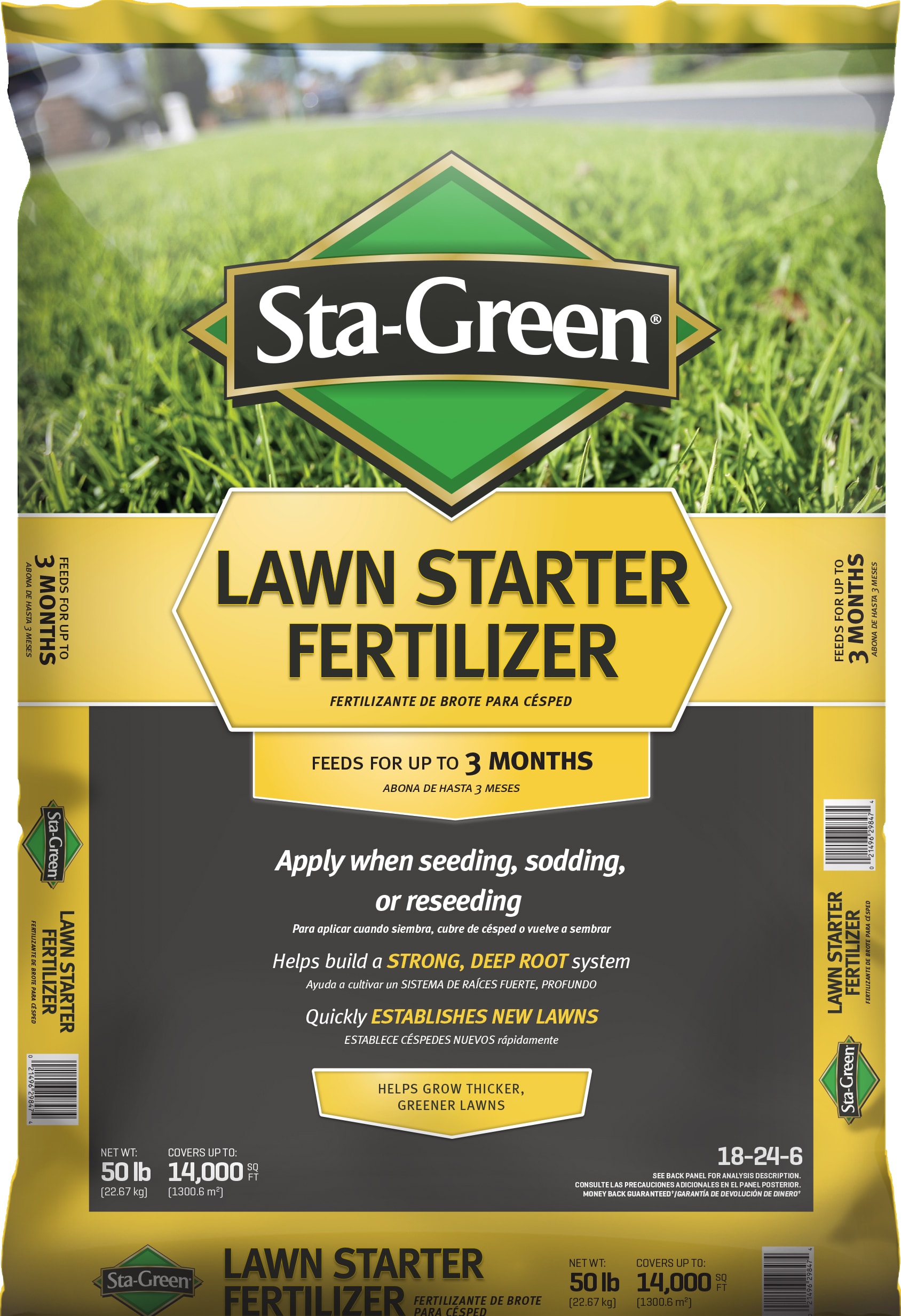
Golf Course Starter Fertilizer at Sandra Miles blog

What Do Golf Courses Use For Fertilizer? The Surprising Answers

Golf Course Fertilizer Premium Greens Nutrient Program Dr. JimZ
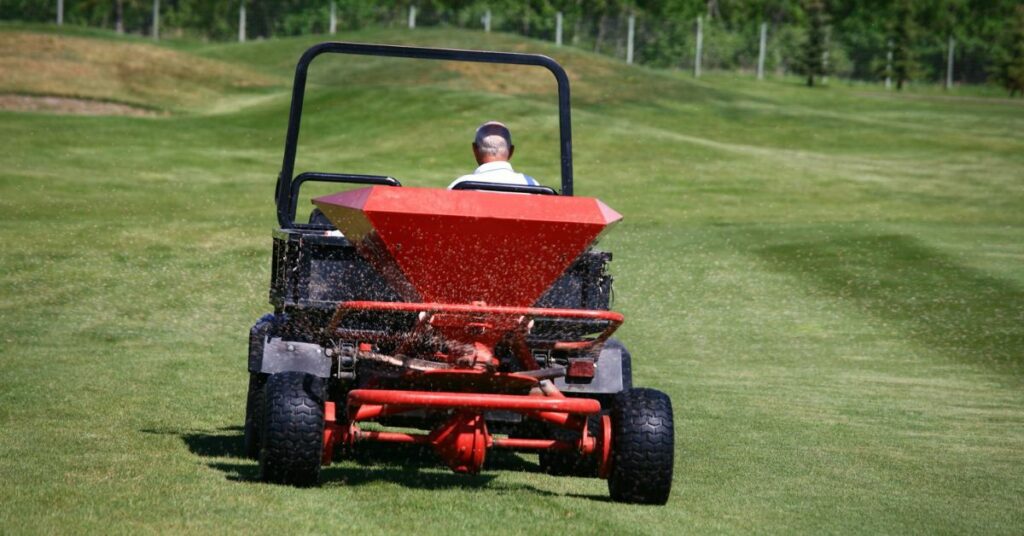
How Often Do Golf Courses Fertilize?
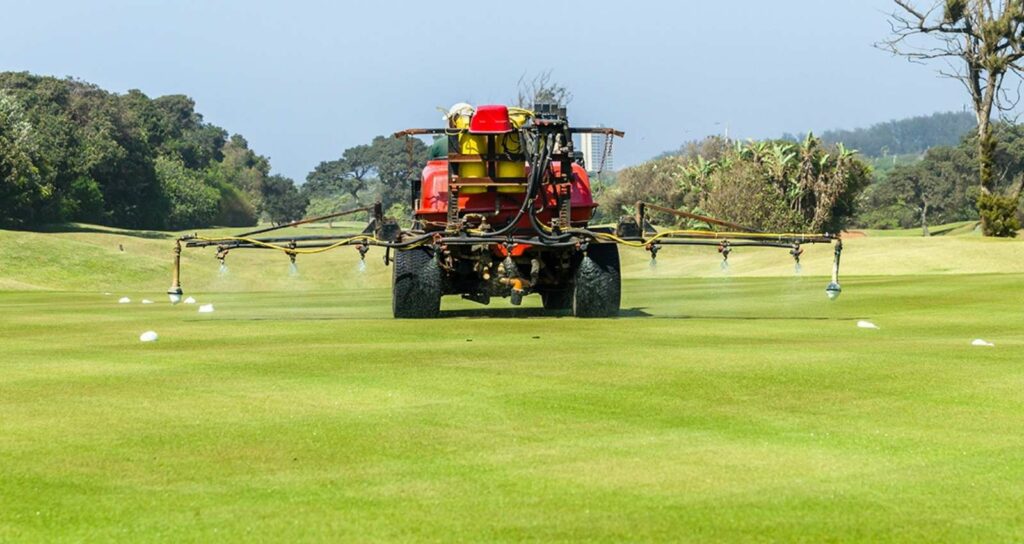
How Often Do Golf Courses Fertilize?
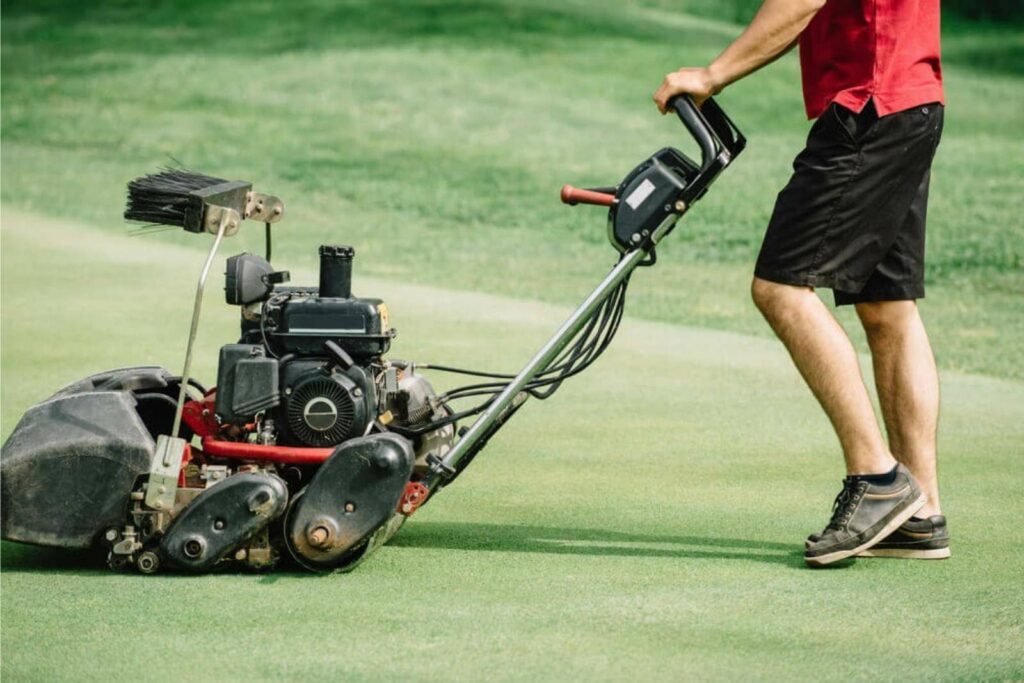
How Often Do Golf Courses Fertilize?
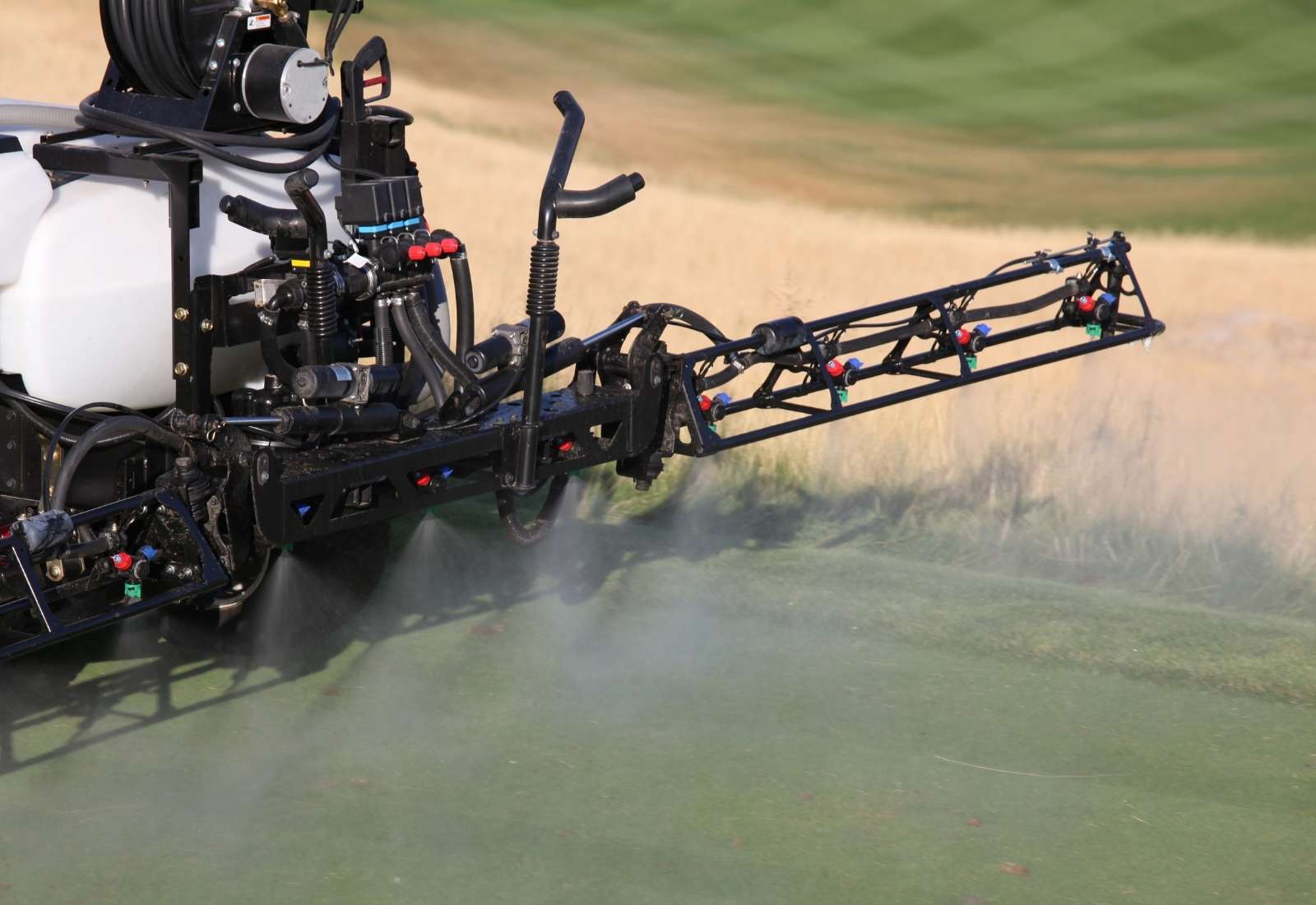
How Often Do Golf Courses Fertilize?

What Fertilizer Do Golf Courses Use? The Brassie
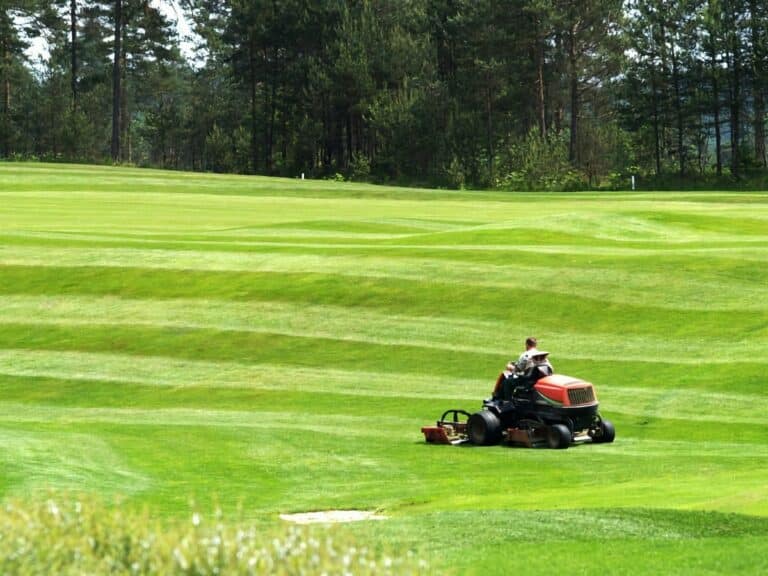
Golf Course Fertilizer (The Complete Guide)

Improving My Lawn With Liquid Fertiliser // Golf Green Update YouTube
Understanding The Nutritional Requirements, Selecting The Right Fertilizers, And.
Modern Way Of Fertilizing Roughs And Fairways;
Browse Our Online Catalog For Standard And Custom Blends Of Greens Grade And.
According To Industry Experts, Golf Courses Use An Average Of 20 Pounds Of Nitrogen Per 1000 Square Feet Annually.
Related Post: