
Physics Courses Uw
Physics Courses Uw - Students can work on a variety of research projects including, but not limited to, the areas of astronomy, condensed matter, computational physics, physics education, low temperature. As a physics student, you’ll solve challenging theoretical constructs, analyze data, master experimental techniques, and develop skills in error analysis — preparing you for a wide range. Graduates pursue diverse paths including further studies in physics, teaching. Students are expected to participate in class to fully benefit from course activities and meet the course’s learning. Three lectures and one discussion per week. Covers topics such as atomic physics, solid state/condensed matter physics, and nuclear physics. Three lectures and one discussion per week. Course syllabi, for core courses and special topics offerings. Research in physics remains vibrant, challenging and inspiring. A minimum grade of 2.0 in b phys 123; Serve communitiescourses designed for youtransfer friendlyrigorous curriculum Students must take at least 3 of 4 core courses (see below). Degree program is one of the largest in the nation, with 175 degrees awarded annually. Graduates pursue diverse paths including further studies in physics, teaching. The following pages describe our programs and courses offered: Our students develop strong knowledge in the sciences by having close access to top teachers. Introduction to quantum mechanics, topics from nuclear and particle physics, condensed matter physics, and atomic physics. Up to two elective courses may be taken in other departments, with prior approval of the ms program faculty. Course syllabi, for core courses and special topics offerings. Physical sciences at uw bothell includes degrees in chemistry/biochemistry and physics. Physical sciences at uw bothell includes degrees in chemistry/biochemistry and physics. Covers topics such as atomic physics, solid state/condensed matter physics, and nuclear physics. Three lectures and one discussion per week. Stand out to employers100% online courseslearn the latest skillsfind a course Up to two elective courses may be taken in other departments, with prior approval of the ms program. For current enrollment and status, check the enrollment summary. Stand out to employers100% online courseslearn the latest skillsfind a course Course schedules, both upcoming and previous. Students must take at least 3 of 4 core courses (see below). Up to two elective courses may be taken in other departments, with prior approval of the ms program faculty. Introduction to quantum mechanics, topics from nuclear and particle physics, condensed matter physics, and atomic physics. For current enrollment and status, check the enrollment summary. Phys 567 theory of solids (3) first quarter of a course on modern solid state and condensed matter physics, aimed at bringing student's knowledge up to the level of current literature. The following pages describe. Students can work on a variety of research projects including, but not limited to, the areas of astronomy, condensed matter, computational physics, physics education, low temperature. Stand out to employers100% online courseslearn the latest skillsfind a course Up to two elective courses may be taken in other departments, with prior approval of the ms program faculty. Covers topics such as. Covers topics such as atomic physics, solid state/condensed matter physics, and nuclear physics. Course schedules, both upcoming and previous. Serve communitiescourses designed for youtransfer friendlyrigorous curriculum Students must take at least 3 of 4 core courses (see below). Graduates pursue diverse paths including further studies in physics, teaching. Course syllabi, for core courses and special topics offerings. Three lectures and one discussion per week. Topics include structural, electronic, and vibrational properties; Serve communitiescourses designed for youtransfer friendlyrigorous curriculum Stand out to employers100% online courseslearn the latest skillsfind a course Students must take at least 3 of 4 core courses (see below). Introduction to quantum mechanics, topics from nuclear and particle physics, condensed matter physics, and atomic physics. Research in physics remains vibrant, challenging and inspiring. Three lectures and one discussion per week. Up to two elective courses may be taken in other departments, with prior approval of the ms. The following pages describe our programs and courses offered: Our students develop strong knowledge in the sciences by having close access to top teachers. Covers topics such as atomic physics, solid state/condensed matter physics, and nuclear physics. Three lectures and one discussion per week. As a physics student, you’ll solve challenging theoretical constructs, analyze data, master experimental techniques, and develop. Degree program is one of the largest in the nation, with 175 degrees awarded annually. For current enrollment and status, check the enrollment summary. Serve communitiescourses designed for youtransfer friendlyrigorous curriculum Research in physics remains vibrant, challenging and inspiring. Introduction to quantum mechanics, topics from nuclear and particle physics, condensed matter physics, and atomic physics. A minimum grade of 2.0 in b phys 123; Covers topics such as atomic physics, solid state/condensed matter physics, and nuclear physics. Course schedules, both upcoming and previous. Introduction to quantum mechanics, topics from nuclear and particle physics, condensed matter physics, and atomic physics. For current enrollment and status, check the enrollment summary. Degree program is one of the largest in the nation, with 175 degrees awarded annually. Louis, mo 63130 / wustl.edu Topics include structural, electronic, and vibrational properties; Three lectures and one discussion per week. Students can work on a variety of research projects including, but not limited to, the areas of astronomy, condensed matter, computational physics, physics education, low temperature. Serve communitiescourses designed for youtransfer friendlyrigorous curriculum Introduction to quantum mechanics, topics from nuclear and particle physics, condensed matter physics, and atomic physics. Students must take at least 3 of 4 core courses (see below). Covers topics such as atomic physics, solid state/condensed matter physics, and nuclear physics. Course schedules, both upcoming and previous. Three lectures and one discussion per week. A physics minor includes a basic core of introductory classical mechanics, electricity and magnetism, waves, thermodynamics, and quantum mechanics plus three additional courses. Research in physics remains vibrant, challenging and inspiring. For current enrollment and status, check the enrollment summary. As a physics student, you’ll solve challenging theoretical constructs, analyze data, master experimental techniques, and develop skills in error analysis — preparing you for a wide range. Stand out to employers100% online courseslearn the latest skillsfind a course
Admissions UW Master of Science in Physics Seattle
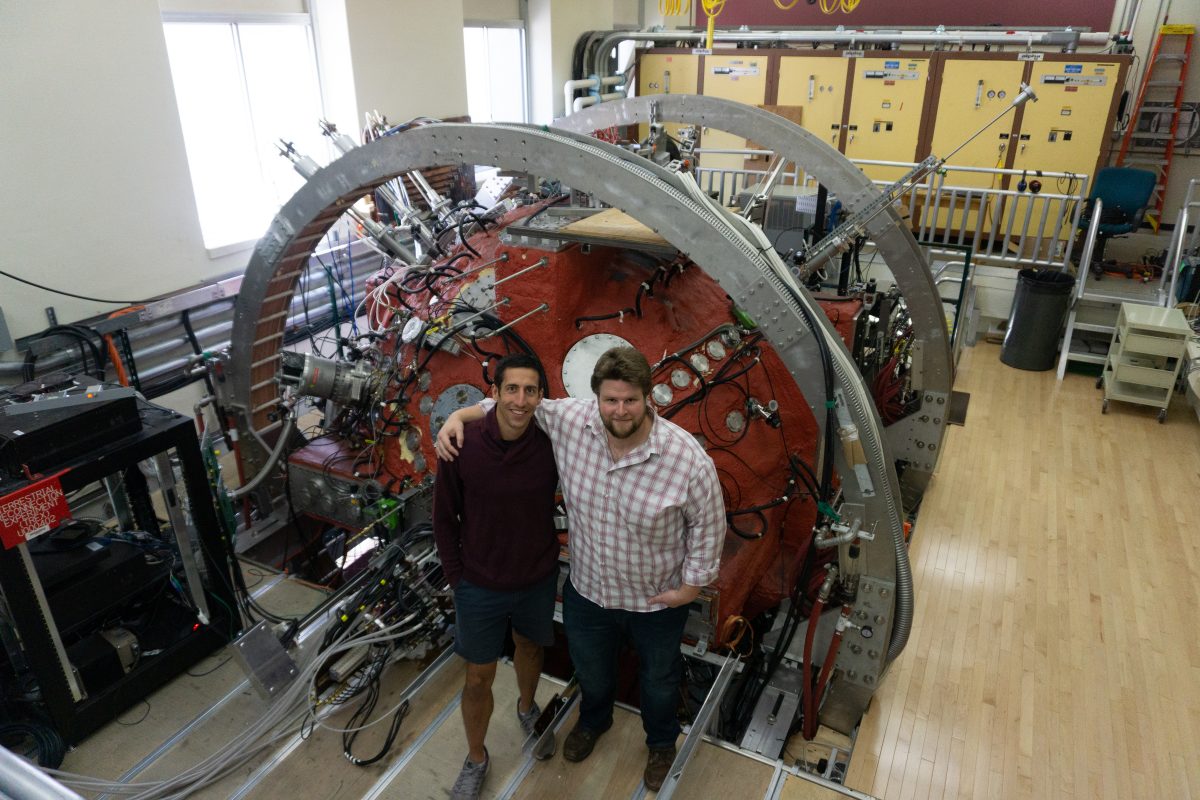
Graduate Programs in Physics Department of Physics UWMadison
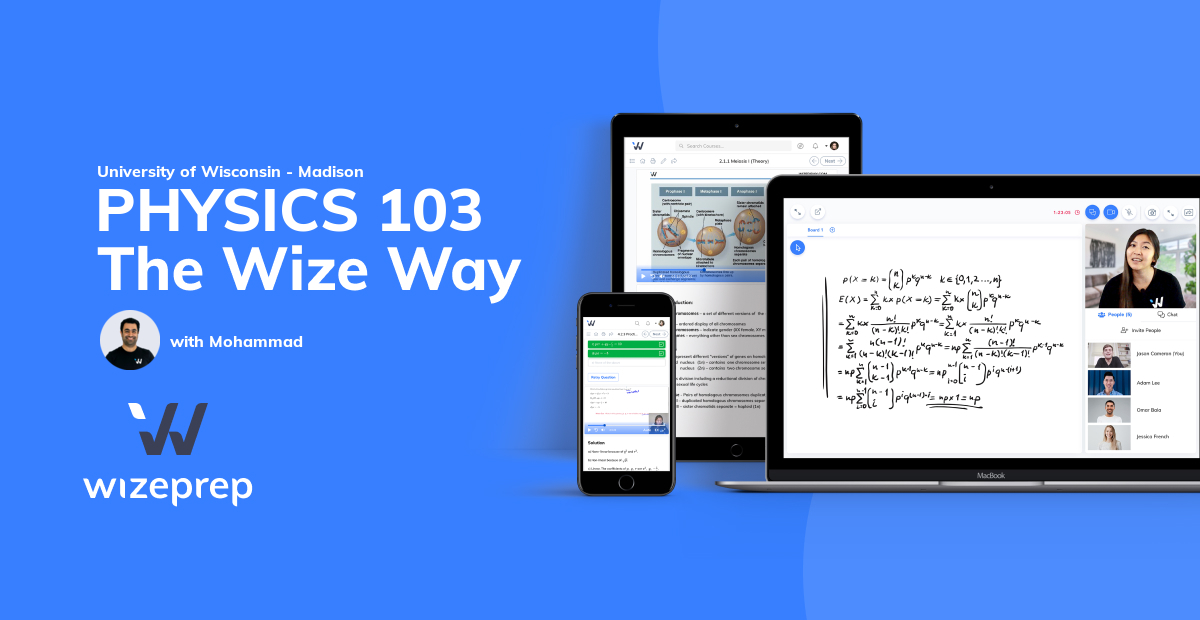
PHYSICS 103 at UWMadison Free Study Help

Engineering Physics Degree in Wisconsin UWPlatteville UWPlatteville
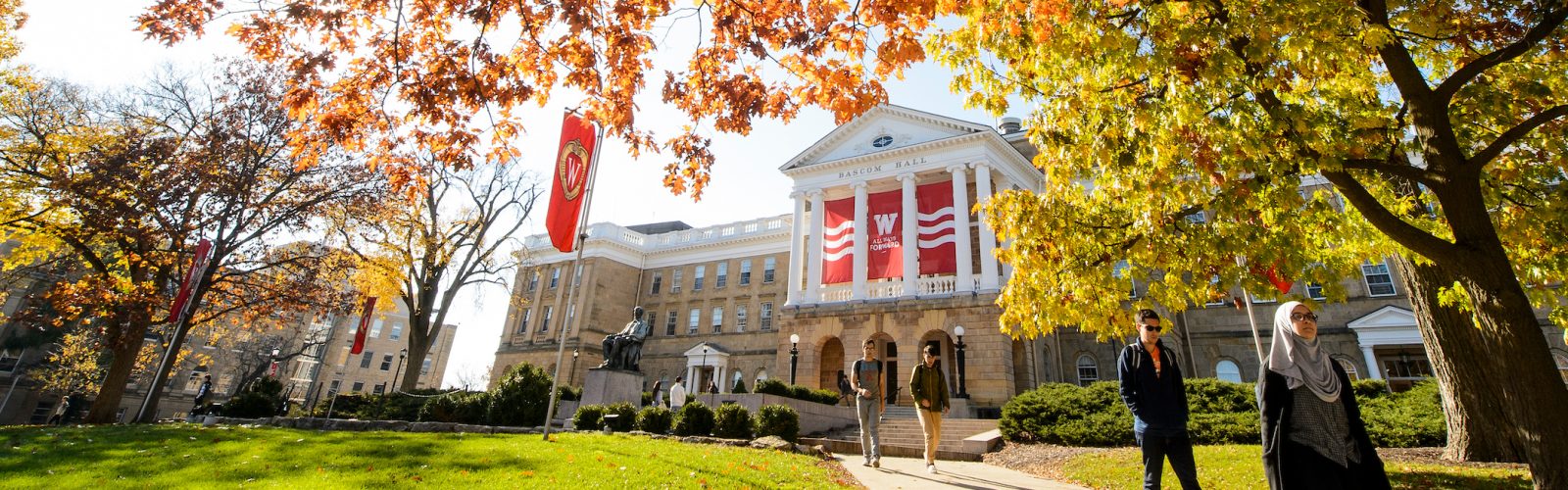
Graduate Programs in Physics Department of Physics UWMadison
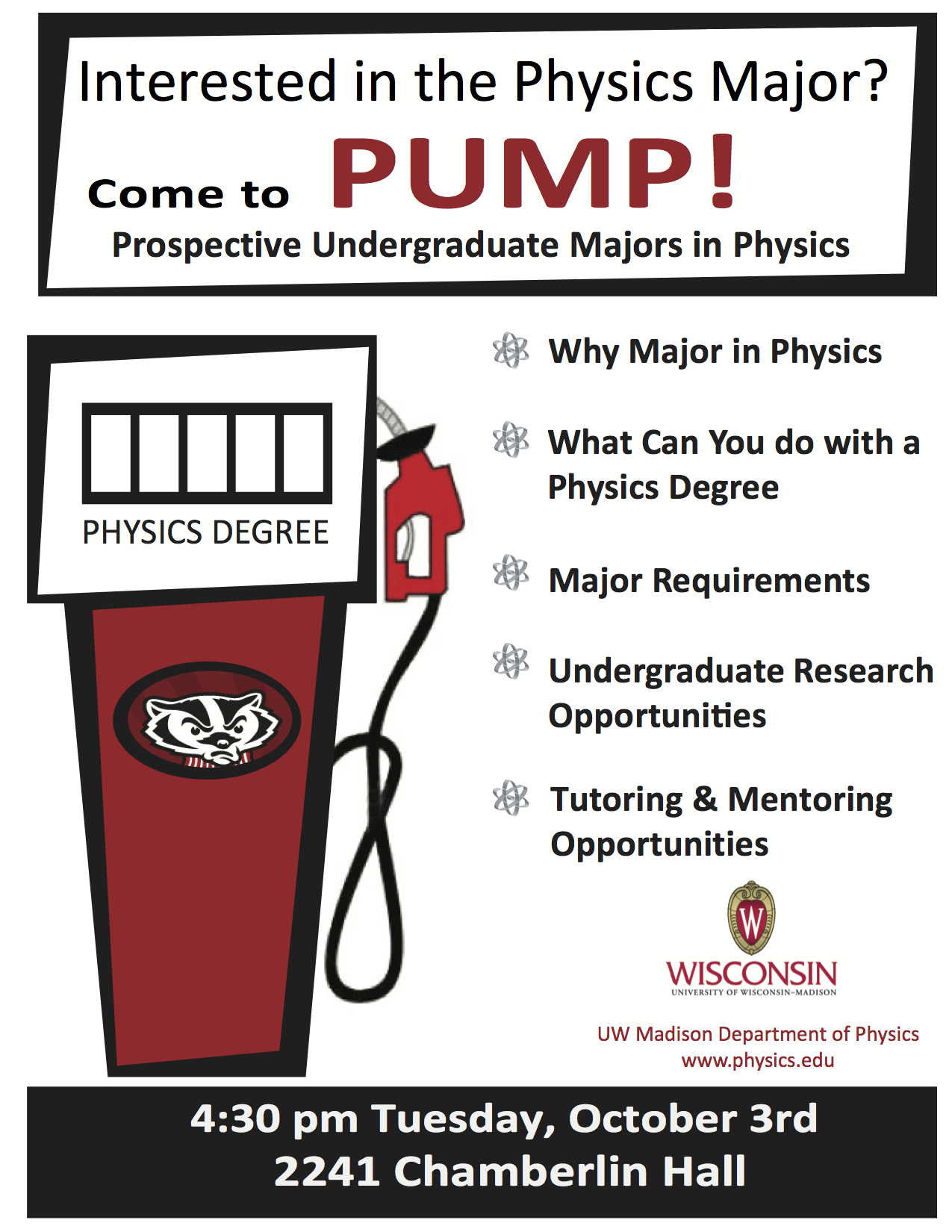
Prospective Undergraduate Majors in Physics Department of Physics

UW Physics Student Quick Start Guide
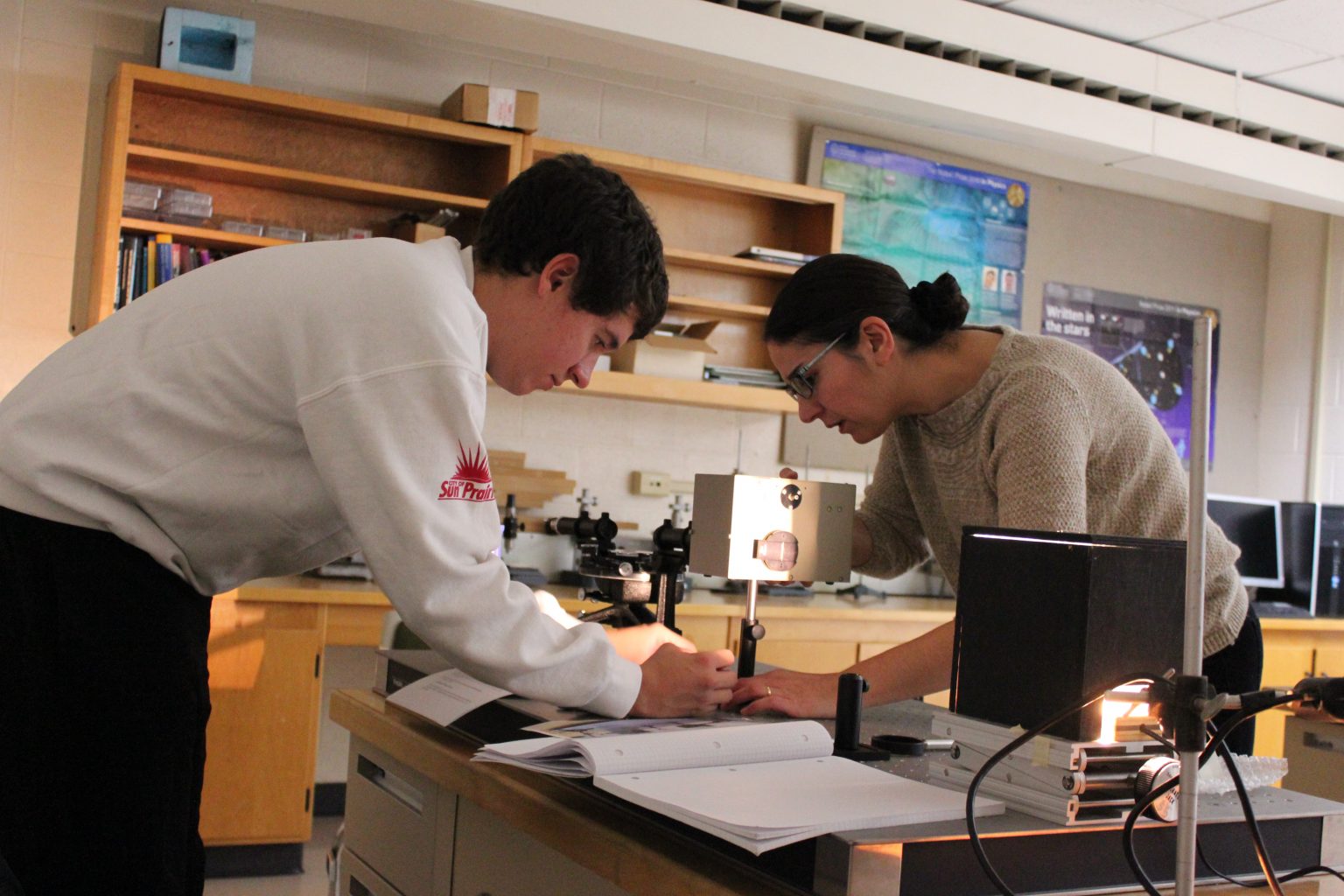
Physics Engineering Dual Degree Program UWStevens Point
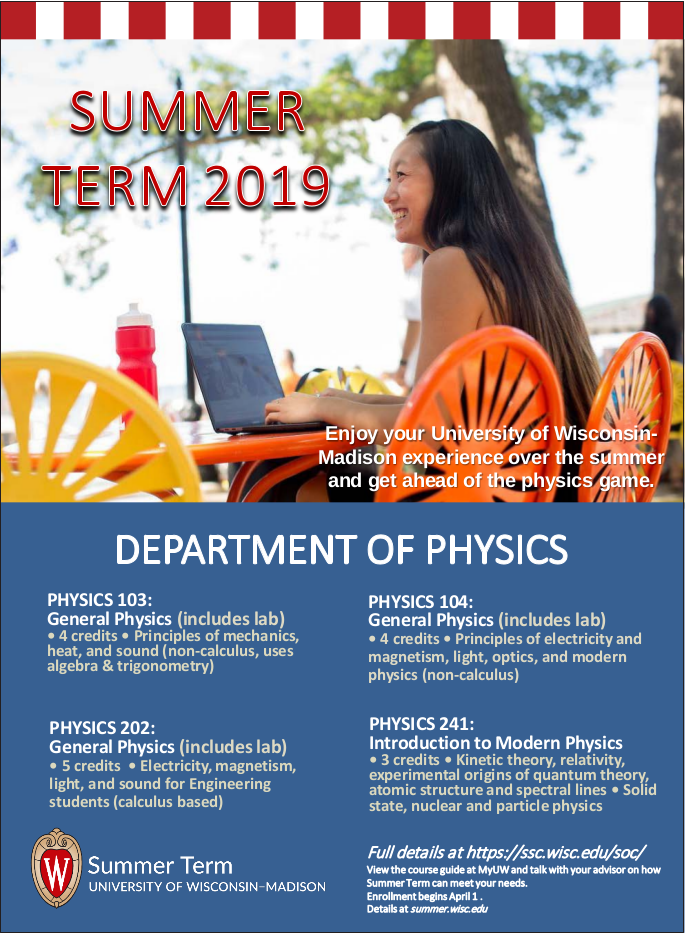
Summer 2019 Physics Courses Department of Physics UWMadison
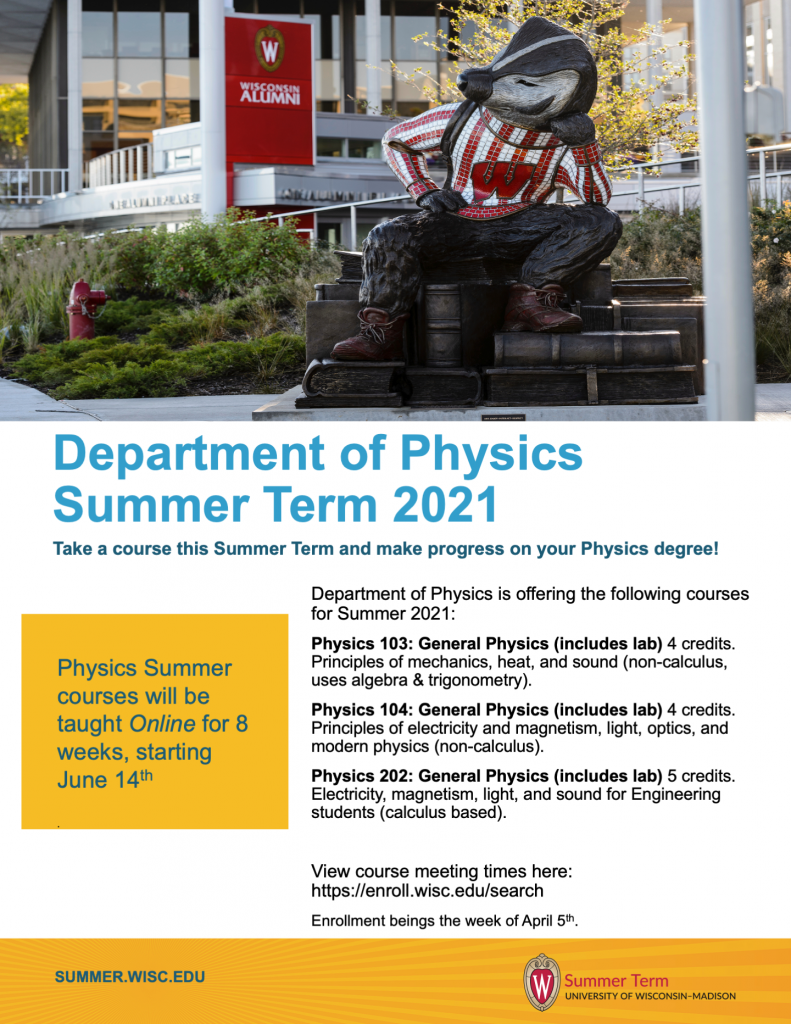
Summer 2021 courses have been announced Department of Physics UW
Introduction To Quantum Mechanics, Topics From Nuclear And Particle Physics, Condensed Matter Physics, And Atomic Physics.
Up To Two Elective Courses May Be Taken In Other Departments, With Prior Approval Of The Ms Program Faculty.
Students Are Expected To Participate In Class To Fully Benefit From Course Activities And Meet The Course’s Learning.
1 Brookings Drive / St.
Related Post: