
How Do Life Course Theorists View Criminality
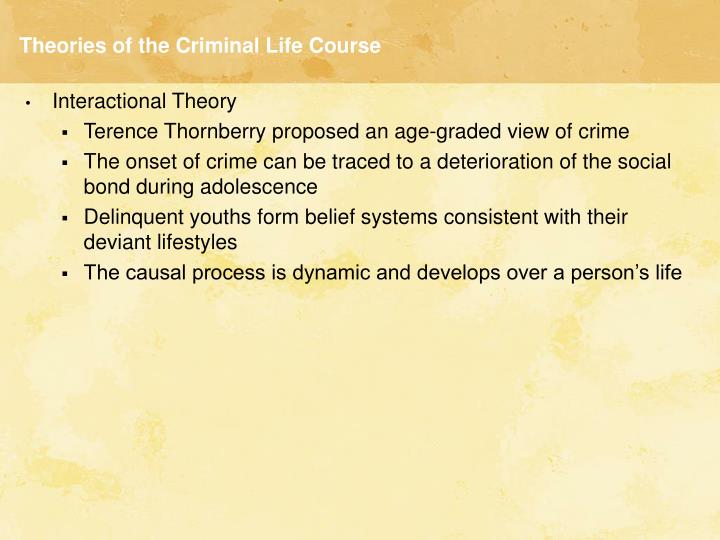
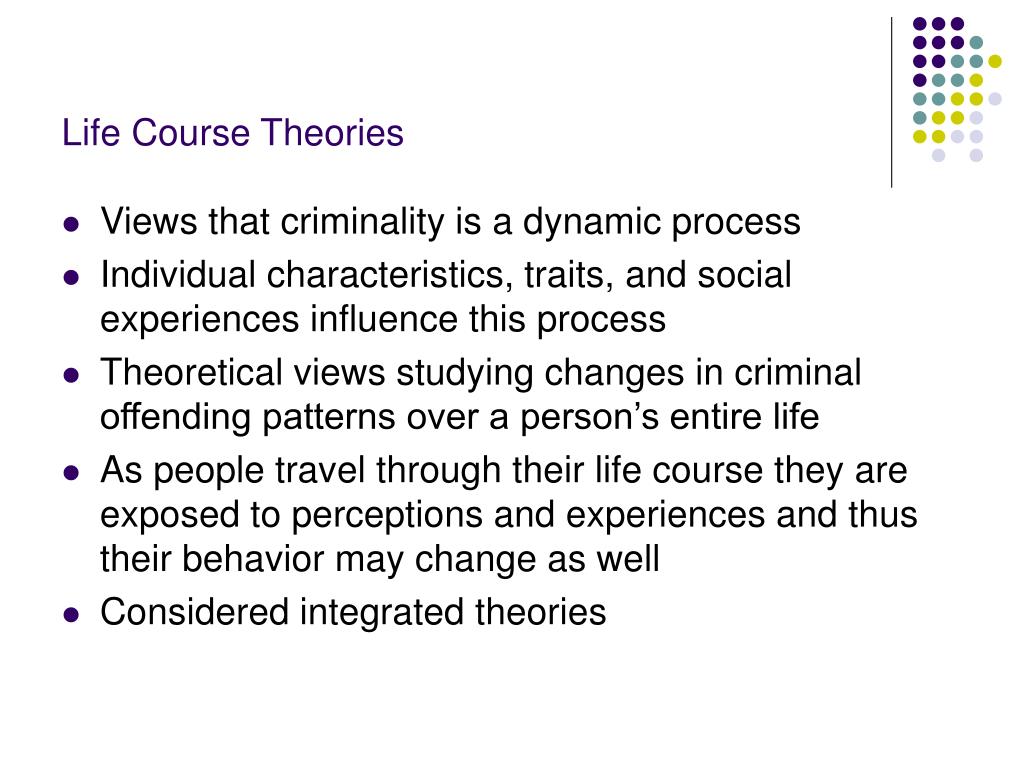
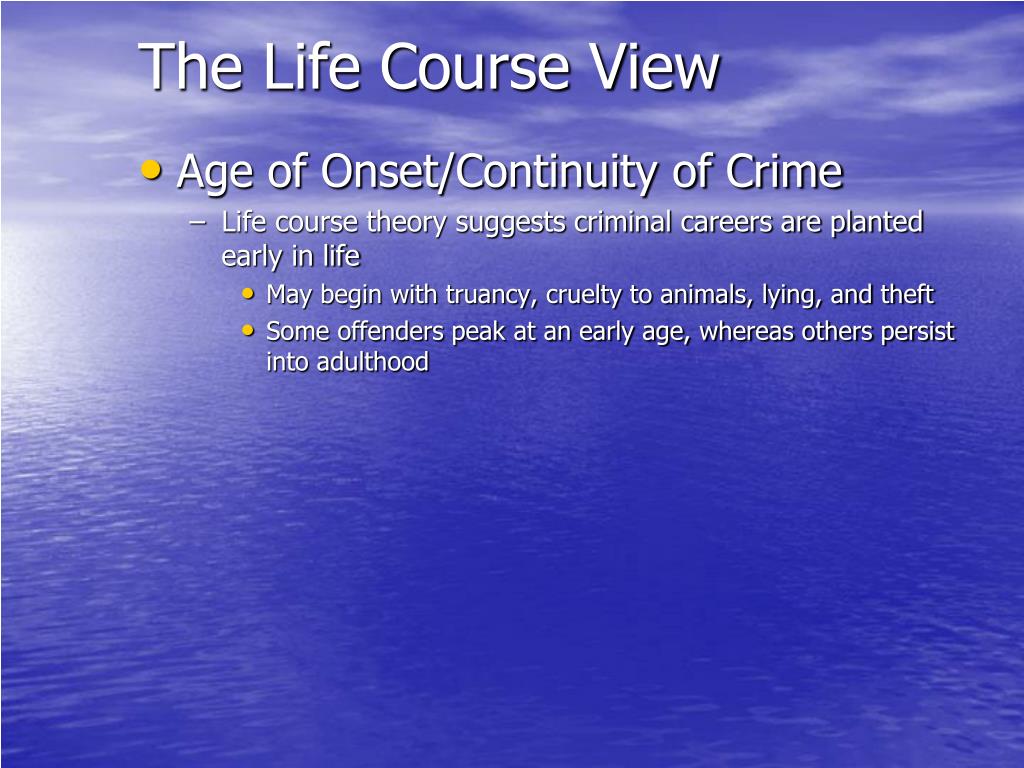
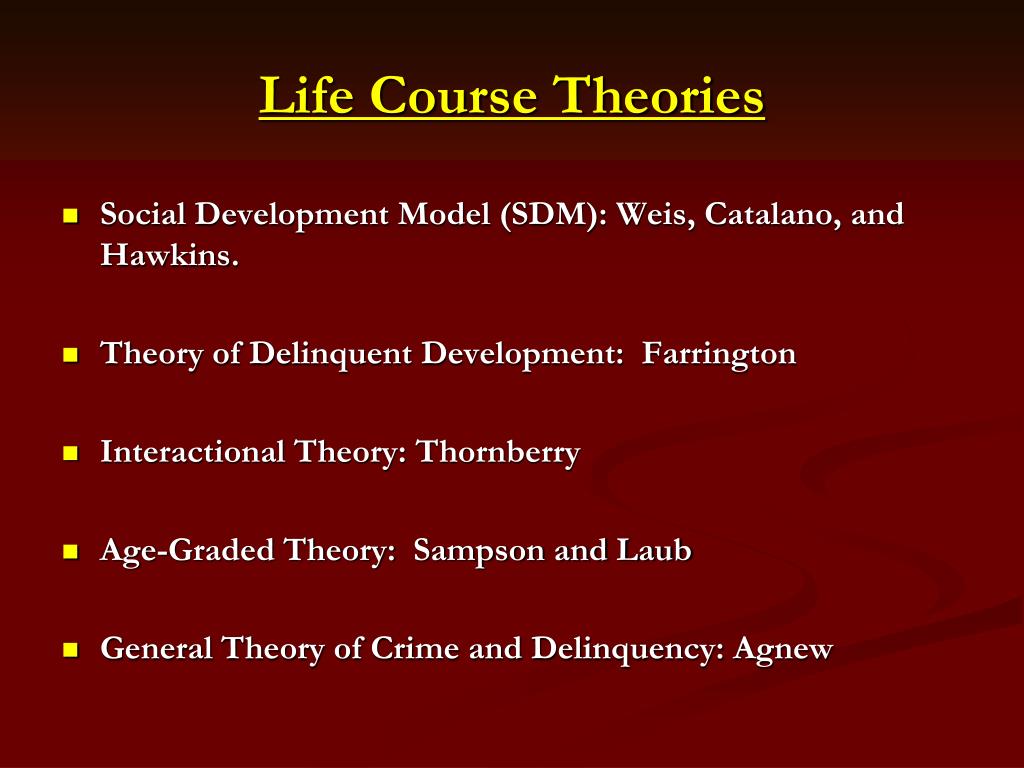
How Do Life Course Theorists View Criminality - Life course theories look at such issues as the. How does crime evolve across the life span? Perhaps the most notable contemporary researchers to apply the life course perspective to criminal behavior are sampson and laub, with their examination of crime, deviance, and. Personality and intelligence are __________ factors that can explain. The term life course suggests a focus on how people's criminal behavior changes over the various stages or periods of their lives. How do life course theorists view criminality? According to wilson and herrnstein's crime and human nature model, a criminal incident occurs when an individual chooses criminal over conventional behavior. Their fundamental argument is that persistent offending. Proponents of legal positivism, of natural law, of. Which empirical evidence supports the general theory of crime? The term life course suggests a focus on how people's criminal behavior changes over the various stages or periods of their lives. Personality and intelligence are __________ factors that can explain. Which empirical evidence supports the general theory of crime? This course examines crime and deviance within a life course framework. How does crime evolve across the life span? How do life course theorists view criminality? Life course theories integrate personal, social, socialization, situational, and cognitive factors to explain human behavior. How do life course theorists view criminality? According to this perspective, criminality cannot be understood by. This theory highlights how various factors, including biological, psychological, and social influences, contribute to patterns of offending and desistance, distinguishing between those. According to wilson and herrnstein's crime and human nature model, a criminal incident occurs when an individual chooses criminal over conventional behavior. Their fundamental argument is that persistent offending. Life course theories integrate personal, social, socialization, situational, and cognitive factors to explain human behavior. The term life course suggests a focus on how people's criminal behavior changes over the various. This course examines crime and deviance within a life course framework. Perhaps the most notable contemporary researchers to apply the life course perspective to criminal behavior are sampson and laub, with their examination of crime, deviance, and. What explains systematic patterns of crime over the life course? Life course theorists view criminality as a dynamic process influenced by a multitude. Personality and intelligence are __________ factors that can explain. Which empirical evidence supports the general theory of crime? Life course theories integrate personal, social, socialization, situational, and cognitive factors to explain human behavior. How do life course theorists view criminality? This course examines crime and deviance within a life course framework. According to this perspective, criminality cannot be understood by. Which empirical evidence supports the general theory of crime? Their fundamental argument is that persistent offending. Different kinds of theory ‘theories of criminal law’ could just be general theories of law applied to the particular case of criminal law: Personality and intelligence are __________ factors that can explain. What explains systematic patterns of crime over the life course? Proponents of legal positivism, of natural law, of. Personality and intelligence are __________ factors that can explain. How does crime evolve across the life span? The term life course suggests a focus on how people's criminal behavior changes over the various stages or periods of their lives. According to this perspective, criminality cannot be understood by. What explains systematic patterns of crime over the life course? The main premise of life course theory concludes that multiple social, personal, and economic factors can influence criminality and that all of these change over time as does criminal. This course examines crime and deviance within a life course framework. Life. How do life course theorists view criminality? How does crime evolve across the life span? Proponents of legal positivism, of natural law, of. According to this perspective, criminality cannot be understood by. Perhaps the most notable contemporary researchers to apply the life course perspective to criminal behavior are sampson and laub, with their examination of crime, deviance, and. This course examines crime and deviance within a life course framework. The developmental life course perspective looks at criminal behavior over the course of someone’s lifetime. Their fundamental argument is that persistent offending. Different kinds of theory ‘theories of criminal law’ could just be general theories of law applied to the particular case of criminal law: This theory highlights how. This theory highlights how various factors, including biological, psychological, and social influences, contribute to patterns of offending and desistance, distinguishing between those. Life course theorists view criminality as a dynamic process influenced by a multitude of individual characteristics, traits, and social experiences. According to wilson and herrnstein's crime and human nature model, a criminal incident occurs when an individual chooses. What explains systematic patterns of crime over the life course? Different kinds of theory ‘theories of criminal law’ could just be general theories of law applied to the particular case of criminal law: Proponents of legal positivism, of natural law, of. Life course theorists view criminality as a dynamic process influenced by a multitude of individual characteristics, traits, and social. Personality and intelligence are __________ factors that can explain. Different kinds of theory ‘theories of criminal law’ could just be general theories of law applied to the particular case of criminal law: The developmental life course perspective looks at criminal behavior over the course of someone’s lifetime. Latent trait theorists believe human development is controlled by a master trait present at birth or soon after that results in ______. What explains systematic patterns of crime over the life course? Life course theorists view criminality as a dynamic process influenced by a multitude of individual characteristics, traits, and social experiences. How do life course theorists view criminality? How do life course theorists view criminality? Life course theories integrate personal, social, socialization, situational, and cognitive factors to explain human behavior. Their fundamental argument is that persistent offending. How does crime evolve across the life span? Life course theories look at such issues as the. Proponents of legal positivism, of natural law, of. According to this perspective, criminality cannot be understood by. According to wilson and herrnstein's crime and human nature model, a criminal incident occurs when an individual chooses criminal over conventional behavior. Life course theory in criminology examines how individual experiences and events across the lifespan shape criminal behavior, incorporating factors like age, socialization, and life events.
PPT Developmental Theories Crime and the Life Course PowerPoint

PPT Chapter 9 PowerPoint Presentation, free download ID1195101
PPT Developmental Theories Crime and the Life Course PowerPoint
PPT Introduction to Criminal Justice PowerPoint Presentation, free

PPT Developmental Theories Crime and the Life Course PowerPoint
PPT Developmental Theories Crime and the Life Course PowerPoint
PPT Chapter 9 PowerPoint Presentation ID1295920
PPT Chapter Nine PowerPoint Presentation, free download ID652049
PPT Chapter 9 PowerPoint Presentation, free download ID1292754
PPT Chapter 9 Developmental Theories Latent Trait and Life Course
This Theory Highlights How Various Factors, Including Biological, Psychological, And Social Influences, Contribute To Patterns Of Offending And Desistance, Distinguishing Between Those.
Perhaps The Most Notable Contemporary Researchers To Apply The Life Course Perspective To Criminal Behavior Are Sampson And Laub, With Their Examination Of Crime, Deviance, And.
This Course Examines Crime And Deviance Within A Life Course Framework.
The Main Premise Of Life Course Theory Concludes That Multiple Social, Personal, And Economic Factors Can Influence Criminality And That All Of These Change Over Time As Does Criminal.
Related Post: