
Course Objectives Examples
Course Objectives Examples - Typical course goals include a number of subordinate skills, which are further identified and clarified as learning objectives. If the outcomes for your course are not measurable, you. Examples of learning objectives from existing courses, and how we would recommend revising them. Students will demonstrate respect for diverse opinions during the class debate. psychomotor domain (physical skills): These objectives help establish clear. For a course to meet the quality matters standards, it must have learning objectives that are measurable and the assessments must align with the learning objectives. They help you select appropriate content, materials, instructional. The students will determine the developmental needs of children across all domains. Learning objectives are guides to the instructional decisions you make when designing and teaching your course. Here are five easy tips to write actionable learning objectives for any course. Students will demonstrate respect for diverse opinions during the class debate. psychomotor domain (physical skills): Learning objectives are concise statements that describe what learners should know or be able to do by the end of a specific lesson, course, or training. Learning objectives, or behavioral objectives, are written from a student’s point of view and describe what the student will be able to do as a result of taking the course. Students will perform the correct finger. What does a course objective look like? Typical course goals include a number of subordinate skills, which are further identified and clarified as learning objectives. Learning objectives are guides to the instructional decisions you make when designing and teaching your course. They define what the course aims to teach, the knowledge students are expected to gain, and the. See examples of course objectives and the difference between course and module objectives. The students will determine the developmental needs of children across all domains. I'll describe how creating detailed course objectives, and communicating them clearly to your students, can help the instructor, enhance student learning, and aid in the. Learning objectives are guides to the instructional decisions you make when designing and teaching your course. What does a course objective look like? Here are some “forbidden” terms below to assist you in creating measurable. Learning objectives, or behavioral objectives, are written from a student’s point of view and describe what the student will be able to do as a result of taking the course. If the outcomes for your course are not measurable, you. Students will demonstrate respect for diverse opinions during the class debate. psychomotor domain (physical skills): Examples of learning objectives from. Learn how to write clear and specific course objectives that can be assessed and aligned with bloom's taxonomy. For a course to meet the quality matters standards, it must have learning objectives that are measurable and the assessments must align with the learning objectives. Learning objectives/outcomes are specific statements that tell the student what they will be able to do. Typical course goals include a number of subordinate skills, which are further identified and clarified as learning objectives. They define what the course aims to teach, the knowledge students are expected to gain, and the. A course goal may be defined as a broad statement of intent or. You need a knowledge baseline for your course because this will indicate. You need a knowledge baseline for your course because this will indicate the average knowledge. They define what the course aims to teach, the knowledge students are expected to gain, and the. Learning objectives are concise statements that describe what learners should know or be able to do by the end of a specific lesson, course, or training. Learning objectives. You need a knowledge baseline for your course because this will indicate the average knowledge. Learning objectives/outcomes are specific statements that tell the student what they will be able to do at the conclusion of a learning experience. Typical course goals include a number of subordinate skills, which are further identified and clarified as learning objectives. Students will perform the. Here are five easy tips to write actionable learning objectives for any course. A course goal may be defined as a broad statement of intent or. Learning objectives/outcomes are specific statements that tell the student what they will be able to do at the conclusion of a learning experience. Learning objectives are concise statements that describe what learners should know. A course goal may be defined as a broad statement of intent or. Students will perform the correct finger. Learning objectives are guides to the instructional decisions you make when designing and teaching your course. Learning objectives/outcomes are specific statements that tell the student what they will be able to do at the conclusion of a learning experience. Examples of. Here are some “forbidden” terms below to assist you in creating measurable objectives: They define what the course aims to teach, the knowledge students are expected to gain, and the. Learning objectives are concise statements that describe what learners should know or be able to do by the end of a specific lesson, course, or training. These objectives help establish. They help you select appropriate content, materials, instructional. You need a knowledge baseline for your course because this will indicate the average knowledge. See examples of course objectives and the difference between course and module objectives. Here are five easy tips to write actionable learning objectives for any course. A course goal may be defined as a broad statement of. The smart objective establishes “operations staff must finish their excel training course with at least 80% success in the final examination before the month ends.” the precise objectives. A course goal may be defined as a broad statement of intent or. These objectives help establish clear. I'll describe how creating detailed course objectives, and communicating them clearly to your students, can help the instructor, enhance student learning, and aid in the. What does a course objective look like? Learning objectives are concise statements that describe what learners should know or be able to do by the end of a specific lesson, course, or training. Typical course goals include a number of subordinate skills, which are further identified and clarified as learning objectives. They help you select appropriate content, materials, instructional. Learn how to write clear and specific course objectives that can be assessed and aligned with bloom's taxonomy. Students will perform the correct finger. See examples of course objectives and the difference between course and module objectives. Learning objectives are guides to the instructional decisions you make when designing and teaching your course. They are generally less broad that goals and more broad than student learning outcomes. Students will demonstrate respect for diverse opinions during the class debate. psychomotor domain (physical skills): For a course to meet the quality matters standards, it must have learning objectives that are measurable and the assessments must align with the learning objectives. Learning objectives, or behavioral objectives, are written from a student’s point of view and describe what the student will be able to do as a result of taking the course.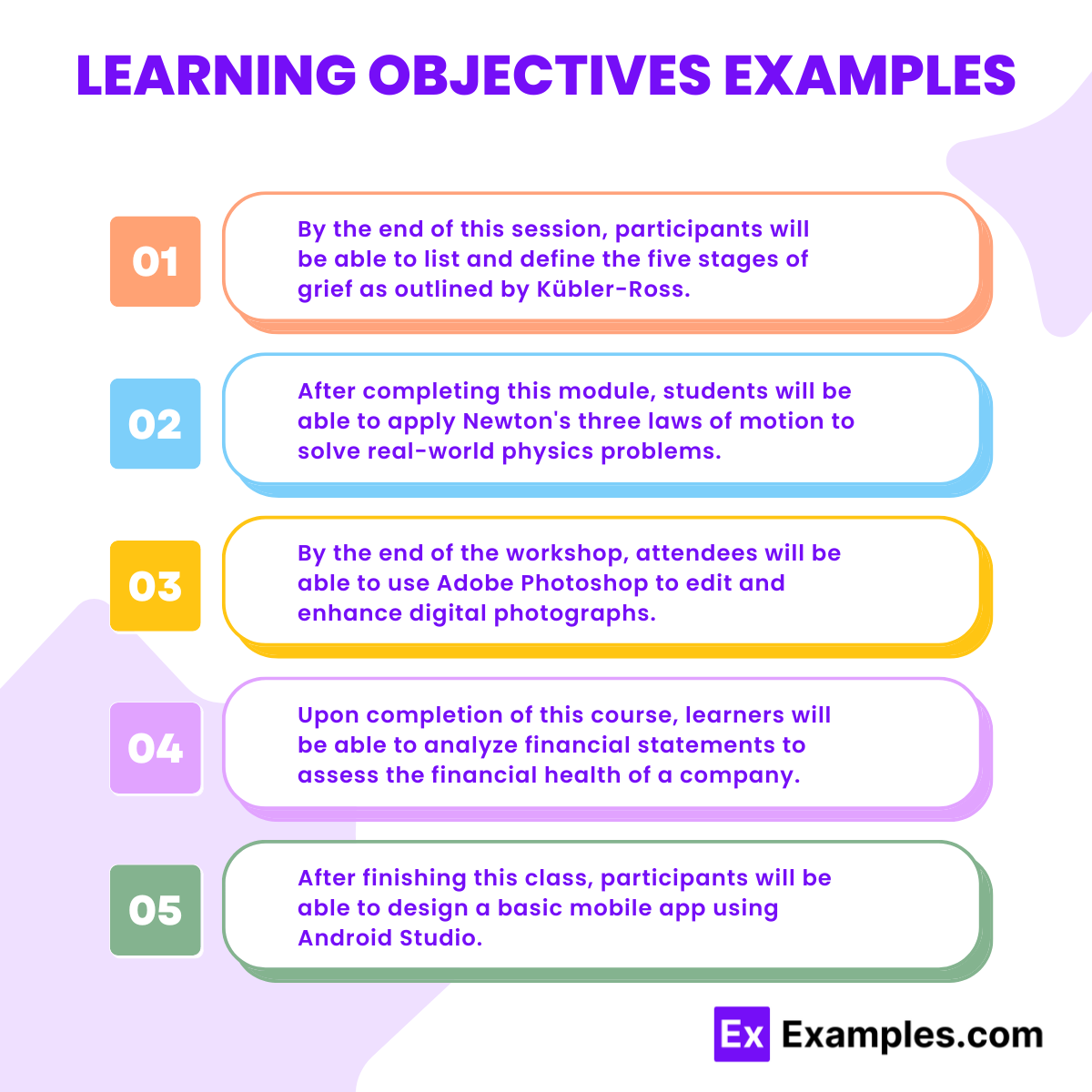
40+ Learning Objectives Examples

Learning Objective Examples for Better Training Venngage

How To Write Training Objectives For eLearning Effectively
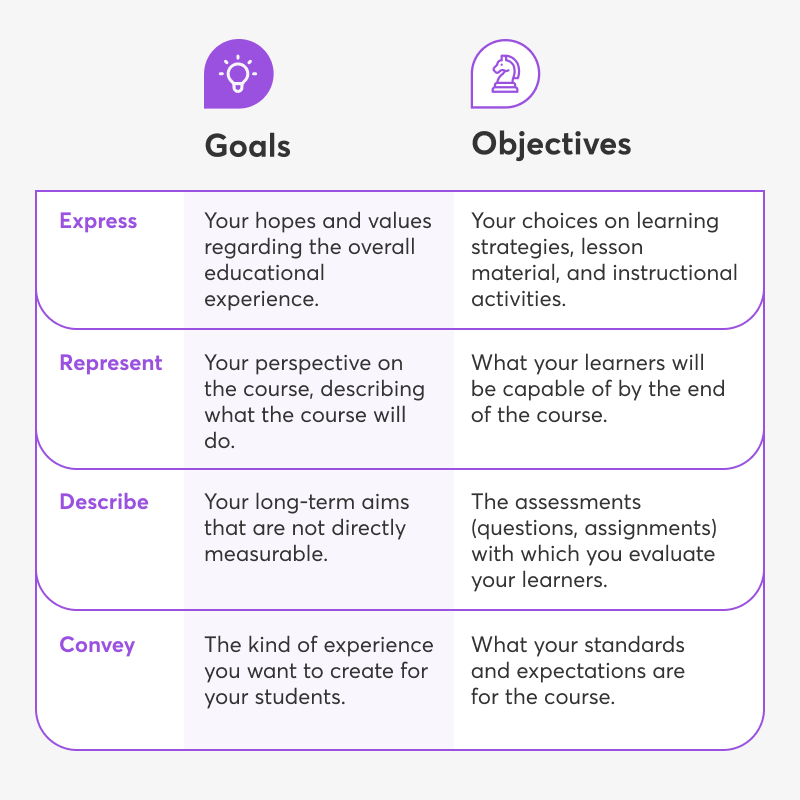
Learning Goals & Objectives in Course Design How To Prepare a Great

Learning Objective Examples for Better Training Venngage

Learning Objective Examples for Better Training Venngage
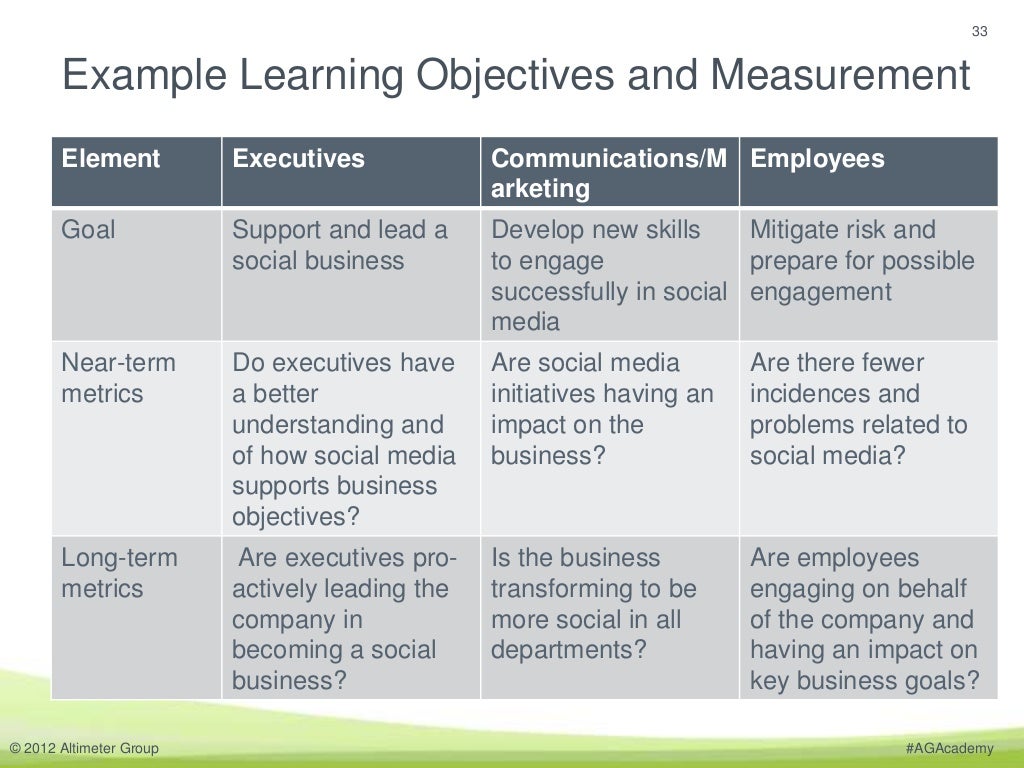
33 Example Learning Objectives and
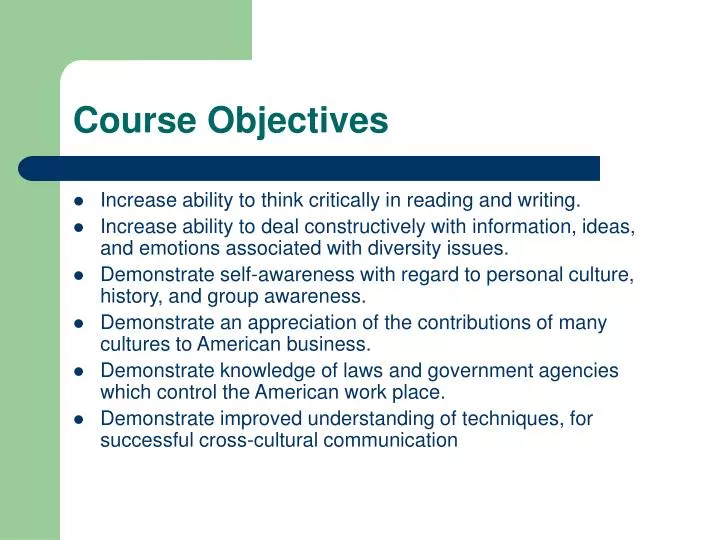
PPT Course Objectives PowerPoint Presentation, free download ID869480

W i i C Obj i Writing Course Objectives
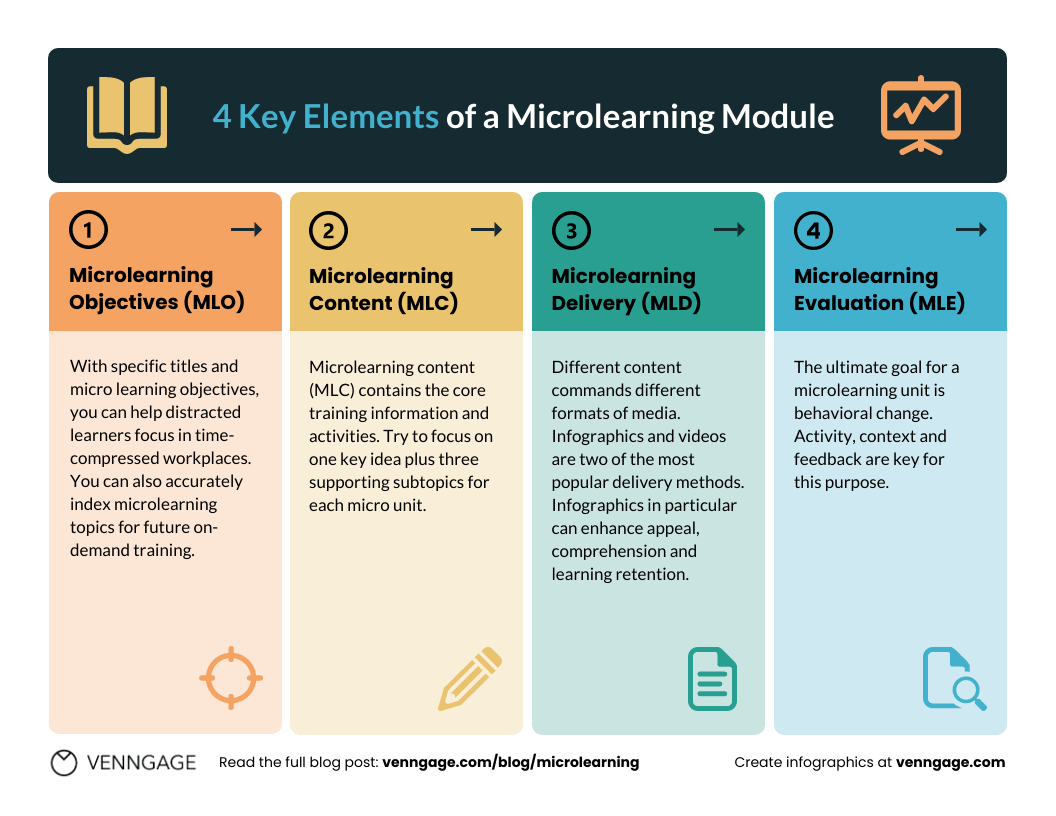
Learning Objective Examples for Better Training Venngage
Carolina Core Courses Must Use The Approved Learning Outcomes Without Modification, Even If They Are Unclear Or Not Measurable.
Understand, Learn, Know, Become Acquainted With, Realize, Recognize, Internalize, Appreciate,.
You Need A Knowledge Baseline For Your Course Because This Will Indicate The Average Knowledge.
Here Are Five Easy Tips To Write Actionable Learning Objectives For Any Course.
Related Post: