
Course Development
Course Development - Course development is a cyclical and iterative process. • who does the problem effect? The addie model outlines the course development process most often used by instructional designers at tilt. Define your goal in clear, unambiguous terms. Your goal should include criteria that allow you to gauge progress and determine when the goal has been met. Analysis is essential to the instructional design process as it helps to decide goals and objectives for the instructional event and select and organize activities for. This includes creating the scope and description of a new course and its course learning objectives within a programme, selecting the correct content expert with the experience, enthusiasm and knowledge to build the course. Begin the process early, giving yourself as much time as you can to plan a new course. Successful courses require careful planning and continual revision. Before course development begins, securing approval from key stakeholders and establishing a strong foundation are crucial. Here's how to create s.m.a.r.t goals in the context of course design: Learning and development leaders may need to revise traditional approaches to training their employees. Elearning course development is a critical process that involves creating engaging and effective learning experiences. Be as precise as possible about what you intend to achieve. One of the first tasks is to create a course map, outlining the course topics, goals, course objectives, structure, and required resources. Rather than relying on static professional development, business leaders are reconsidering how their workers upskill, reskill, and advance their knowledge. Following is a suggested process for planning and developing of an online course. The outputs from one phase generally serve as inputs to the next phase. Your goal should include criteria that allow you to gauge progress and determine when the goal has been met. The purpose of the course development cycle is to increase the quality of online courses in aspects of instructor presence, alignment of materials with course goals, accessible course content, and more. The outputs from one phase generally serve as inputs to the next phase. Before course development begins, securing approval from key stakeholders and establishing a strong foundation are crucial. Learning and development leaders may need to revise traditional approaches to training their employees. Define your goal in clear, unambiguous terms. Following is a suggested process for planning and developing of. These programs can enhance performance in current roles and prepare employees for future opportunities within the organization. Be as precise as possible about what you intend to achieve. When embarking on a course development project at national louis university, faculty collaborate with our learning experience design (lxd) team to produce a series of essential deliverables. Begin the process early, giving. Before creating a syllabus for your course, consider the following best practices for course development: Begin the process early, giving yourself as much time as you can to plan a new course. These programs can enhance performance in current roles and prepare employees for future opportunities within the organization. These timelines enable the learning experience design (lxd) team to plan,. This includes creating the scope and description of a new course and its course learning objectives within a programme, selecting the correct content expert with the experience, enthusiasm and knowledge to build the course. Review alignment of course objectives with instructional activities and assessments to identify gaps. Begin the process early, giving yourself as much time as you can to. The outputs from one phase generally serve as inputs to the next phase. The addie model breaks down this process into five iterative phases, and we’ve added clear outputs and inputs to each phase. One of the first tasks is to create a course map, outlining the course topics, goals, course objectives, structure, and required resources. Begin the process early,. Elearning course development is a critical process that involves creating engaging and effective learning experiences. Another model to consider in designing a course is a model that has been well researched in the educational literature. After reading this textbook, you are ready to start designing your own online course. Course development cycles occur twice a year (fall or spring semester).. These programs can enhance performance in current roles and prepare employees for future opportunities within the organization. Here's how to create s.m.a.r.t goals in the context of course design: After reading this textbook, you are ready to start designing your own online course. The fundamental step of designing instruction is to identify what students should know or be able to. Learning and development leaders may need to revise traditional approaches to training their employees. This includes proactively designing learning and development programs. These programs can enhance performance in current roles and prepare employees for future opportunities within the organization. Begin the process early, giving yourself as much time as you can to plan a new course. Your goal should include. Review alignment of course objectives with instructional activities and assessments to identify gaps. These programs can enhance performance in current roles and prepare employees for future opportunities within the organization. The addie model outlines the course development process most often used by instructional designers at tilt. These timelines enable the learning experience design (lxd) team to plan, develop, and review. The addie model outlines the course development process most often used by instructional designers at tilt. A course is a continuous process (rather than a product) that leads to an enhancement of teaching and learning experiences, if time and effort is given to reflecting on and assessing the results of that process. Designing a course can seem like a daunting. Analysis is essential to the instructional design process as it helps to decide goals and objectives for the instructional event and select and organize activities for. These programs can enhance performance in current roles and prepare employees for future opportunities within the organization. Begin the process early, giving yourself as much time as you can to plan a new course. Review alignment of course objectives with instructional activities and assessments to identify gaps. This map helps ensure everyone is aligned and identifies additional skills needed for development. This includes creating the scope and description of a new course and its course learning objectives within a programme, selecting the correct content expert with the experience, enthusiasm and knowledge to build the course. Here's how to create s.m.a.r.t goals in the context of course design: Training and development (t&d) refers to any activity that helps employees acquire or improve the knowledge, skills or capabilities they need to succeed at work. This includes proactively designing learning and development programs. The purpose of the course development cycle is to increase the quality of online courses in aspects of instructor presence, alignment of materials with course goals, accessible course content, and more. After the first rendition of a program, the evaluation can then provide more information on learning needs and methods for the next time. Be as precise as possible about what you intend to achieve. Elearning course development is a critical process that involves creating engaging and effective learning experiences. First, we design the course by gathering information and making a number of decisions about the way the course will be taught. Designing a course can seem like a daunting task, so we break it down into a few easy steps to help you navigate creating a structure that's engaging and fun for your students. Review course objectives to ensure they articulate the desired priorities and levels of student learning.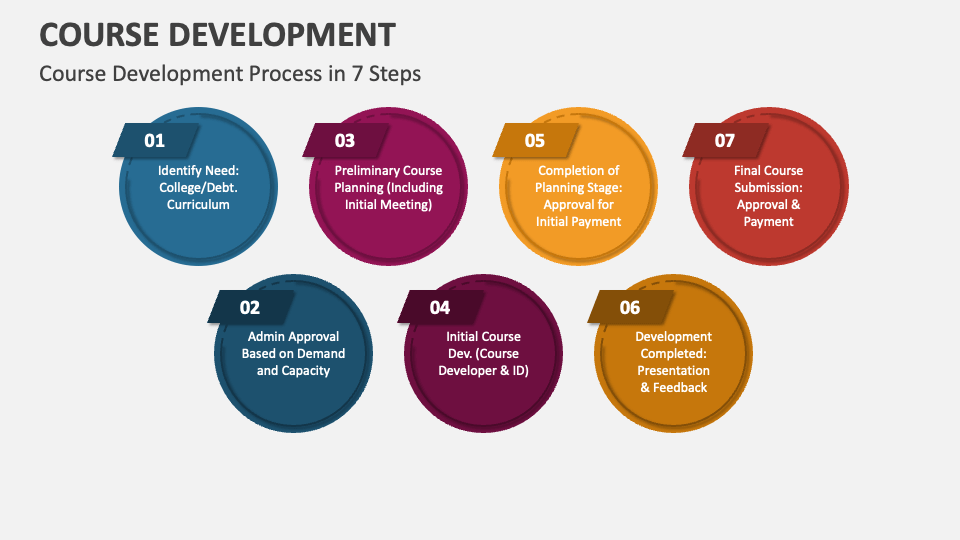
Course Development PowerPoint and Google Slides Template PPT Slides

Process of course development, from the idea to the implemented

Online Course Development A StepByStep Guide To Creating eLearning
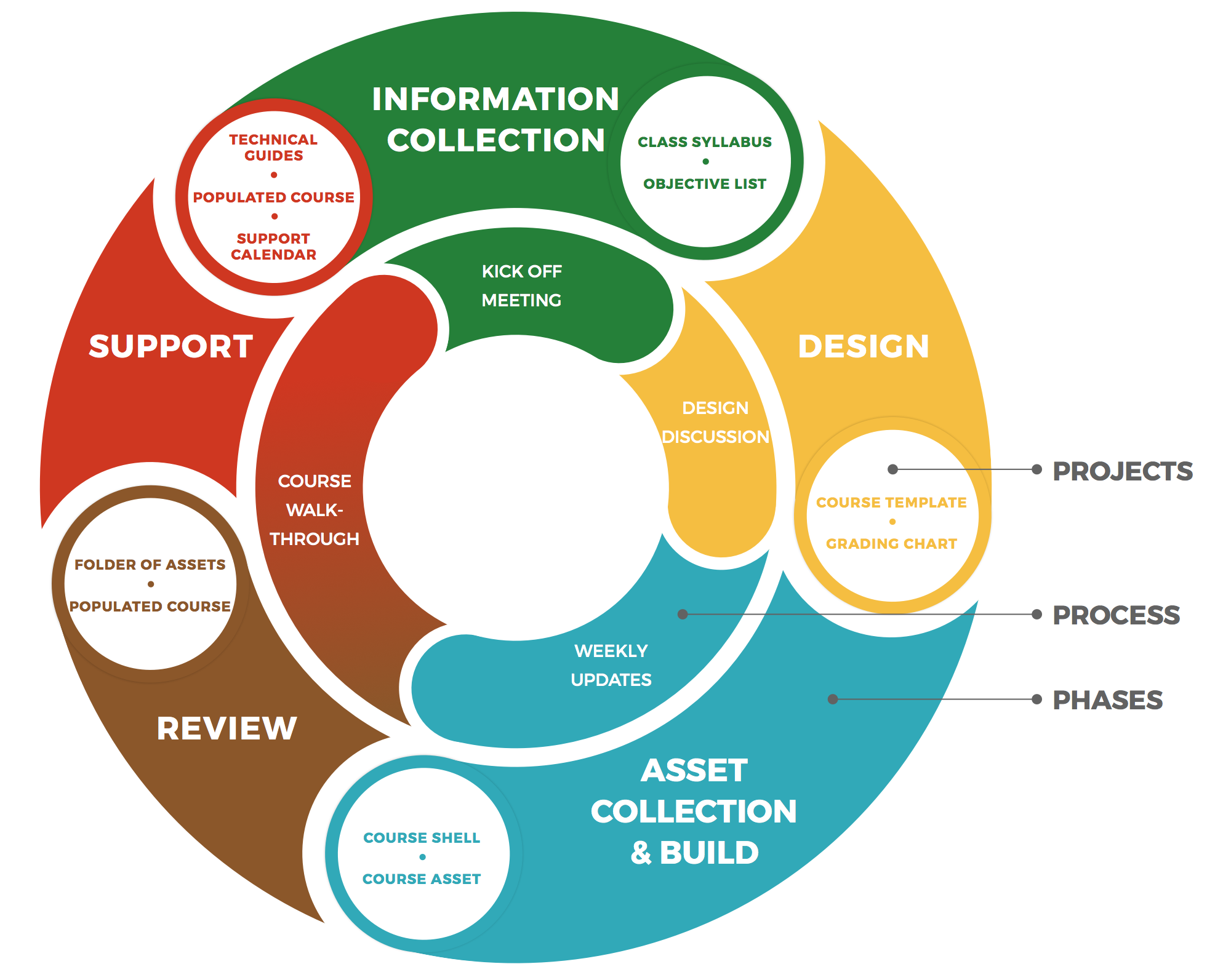
The Course Development Process — Latest documentation

Course Development Process (the ADDIE model)

Course Design Why PLS Classes
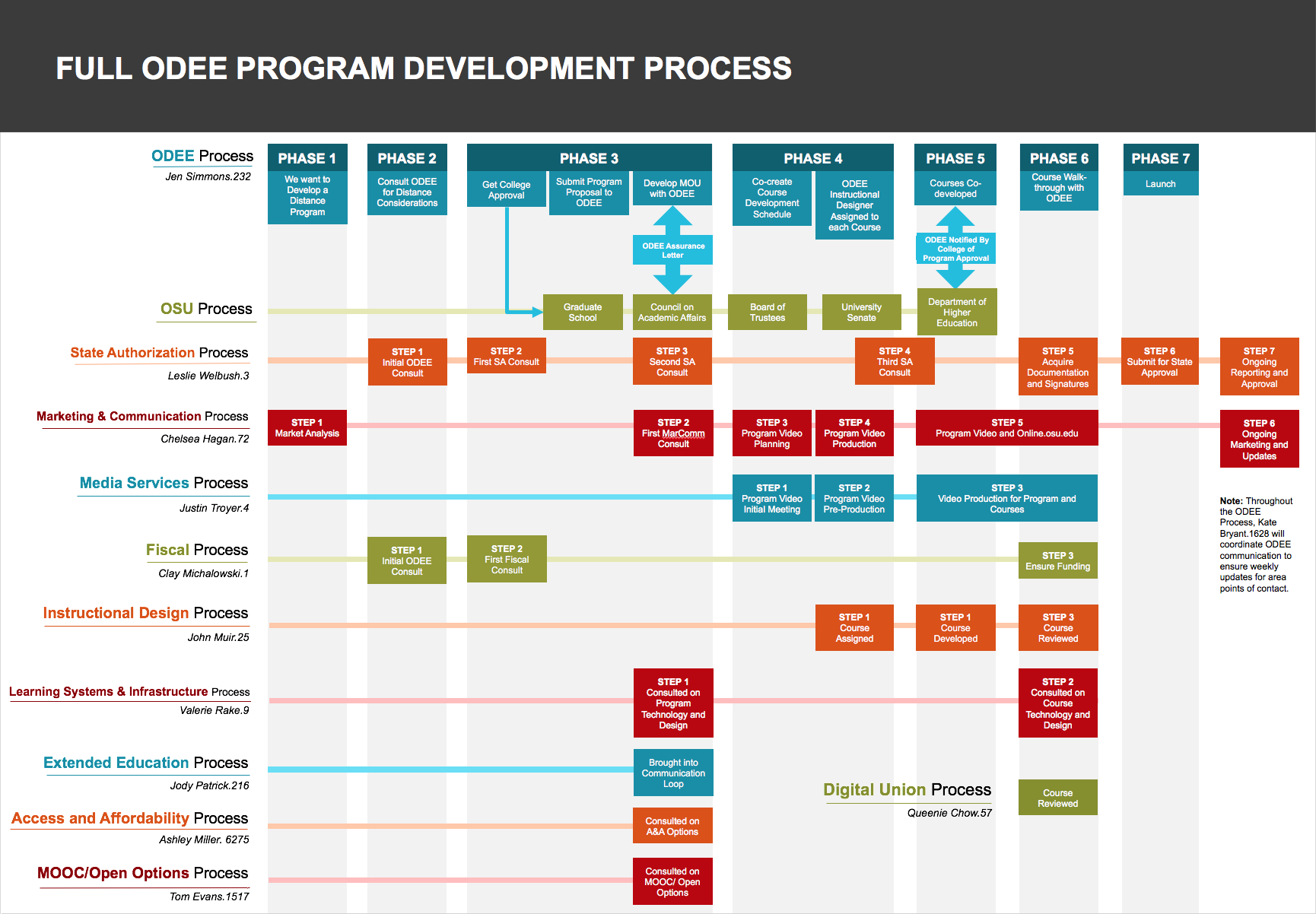
Illustrating the Course Creation and Design Process State Authorization

Process IDeas

3 Phases Of The Online Course Development Process Infographic Vrogue
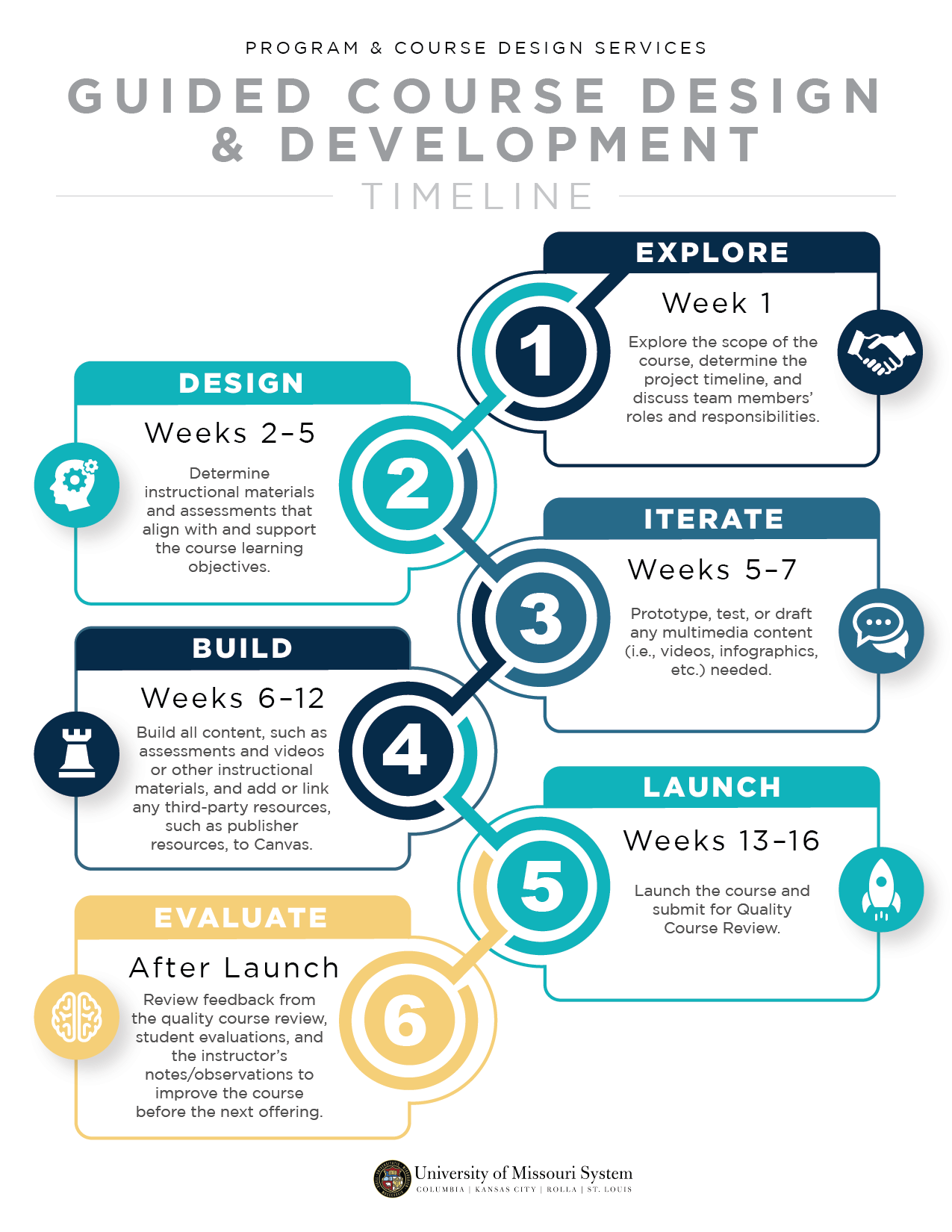
Guided course design & development Missouri Online Teaching
Before Course Development Begins, Securing Approval From Key Stakeholders And Establishing A Strong Foundation Are Crucial.
For Instance, A Junior Employee Needs Basic Skills Training;
The Table Below Outlines The Recommended Time Frames For Course Development Requests Each Term.
Fall, Winter, Spring, And Summer, Each Strategically Timed To Optimize The Development Process.
Related Post: