
Course Conduct
Course Conduct - Continuing course of conduct means a series of acts, and the accompanying mental state necessary for the crime in question, irrespective of whether the series of acts are continuous. (b) a repeated conveyance of verbal threat, written threats, or. Recognizing the pattern in a course of conduct is essential in assessing the impact on the victim and determining the legal implications involved. Course conduct means two or more acts, including, but not limited to, acts in which the stalker directly, indirectly, or through third parties, by any action, method, device, or means, follows,. According to 18 uscs § 2266 [title 18. Transform you career with coursera's online ethics courses. This page covers important considerations when finishing your course, including how to close the loop on key concepts, encourage student reflection, facilitate final projects and presentations,. (1) the agreement of the parties with respect to the transaction. Students are equipped with the required. Course of conduct refers to a pattern of. The university strives to provide a safe and secure environment for students, staff, and visitors. Students are equipped with the required. (1) as used in this section— (a) the term “course of conduct” means a series of acts over a period of time, however short, indicating a continuity of purpose; Student conduct student activities and organizations safety. Course module design and structure for beginners; The term “course of conduct” means a pattern of conduct composed of 2 or more acts, evidencing a continuity of purpose. Course of conduct refers to a pattern of. Engaging in a course of conduct directed at a specific person that would cause a. Transform you career with coursera's online ethics courses. (b) the term “harassment” means a. (2) the term “course of conduct” means— (a) a repeated maintenance of visual or physical proximity to a specific person; After you have conducted the appropriate analysis as necessary, proceed to the course mapping resource for a quick overview on the backwards design process. Student conduct student activities and organizations safety. According to 18 uscs § 2266 [title 18. Course. Engaging in a course of conduct directed at a specific person that would cause a. Conduct for which students are subject to discipline includes, but is not limited to, the following: Continuing course of conduct means a series of acts, and the accompanying mental state necessary for the crime in question, irrespective of whether the series of acts are continuous.. Crimes and criminal procedure part i. The course of conduct means two or more acts, including, but not limited to, acts which the stalker directly, indirectly, or through third parties, by any action, method, device, or means follows,. Course of conduct refers to a pattern of. (1) as used in this section— (a) the term “course of conduct” means a. Students are equipped with the required. Conduct for which students are subject to discipline includes, but is not limited to, the following: Strategies to enhance your online course; According to 18 uscs § 2266 [title 18. (1) the agreement of the parties with respect to the transaction. Transform you career with coursera's online ethics courses. Continuing course of conduct means a series of acts, and the accompanying mental state necessary for the crime in question, irrespective of whether the series of acts are continuous. (1) the agreement of the parties with respect to the transaction. No failure or delay by any credit party in exercising any right. Ori introduction to the responsible conduct of research (pdf) as of january 1, 2024, new human research protocols cannot be submitted to the institutional review board (irb) for. (1) as used in this section— (a) the term “course of conduct” means a series of acts over a period of time, however short, indicating a continuity of purpose; Crimes and criminal. Course conduct means two or more acts, including, but not limited to, acts in which the stalker directly, indirectly, or through third parties, by any action, method, device, or means, follows,. Continuing course of conduct means a series of acts, and the accompanying mental state necessary for the crime in question, irrespective of whether the series of acts are continuous.. Crimes chapter 110a.domestic violence and stalking] course of conduct means “a pattern of conduct. The term “course of conduct” means a pattern of conduct composed of 2 or more acts, evidencing a continuity of purpose. This page covers important considerations when finishing your course, including how to close the loop on key concepts, encourage student reflection, facilitate final projects and. (1) as used in this section— (a) the term “course of conduct” means a series of acts over a period of time, however short, indicating a continuity of purpose; (a) a course of performance is a sequence of conduct between the parties to a particular transaction that exists if: (b) a repeated conveyance of verbal threat, written threats, or. Student. Students are equipped with the required. The course of conduct means two or more acts, including, but not limited to, acts which the stalker directly, indirectly, or through third parties, by any action, method, device, or means follows,. Course module design and structure for beginners; Crimes and criminal procedure part i. Course conduct means two or more acts, including, but. Students are equipped with the required. The term “course of conduct” means a pattern of conduct composed of 2 or more acts, evidencing a continuity of purpose. (b) a repeated conveyance of verbal threat, written threats, or. Student conduct student activities and organizations safety. Crimes and criminal procedure part i. A course of conduct is an act that happens more than once, however brief, within a year, that is directed specifically at you and shows a continuing purpose to cause a reasonable person to. Engaging in a course of conduct directed at a specific person that would cause a. Course conduct means two or more acts, including, but not limited to, acts in which the stalker directly, indirectly, or through third parties, by any action, method, device, or means, follows,. This page covers important considerations when finishing your course, including how to close the loop on key concepts, encourage student reflection, facilitate final projects and presentations,. Conduct for which students are subject to discipline includes, but is not limited to, the following: The court of appeals has held that to establish that a defendant did engage in a course of conduct or repeatedly commit acts which alarm or seriously annoy another person, there must. No failure or delay by any credit party in exercising any right or power under any credit document shall operate as a waiver thereof, nor shall any single or partial exercise. The course of conduct means two or more acts, including, but not limited to, acts which the stalker directly, indirectly, or through third parties, by any action, method, device, or means follows,. Course module design and structure for beginners; According to 18 uscs § 2266 [title 18. Recognizing the pattern in a course of conduct is essential in assessing the impact on the victim and determining the legal implications involved.
Sci 352 Digital Systems Fundamentals ppt download
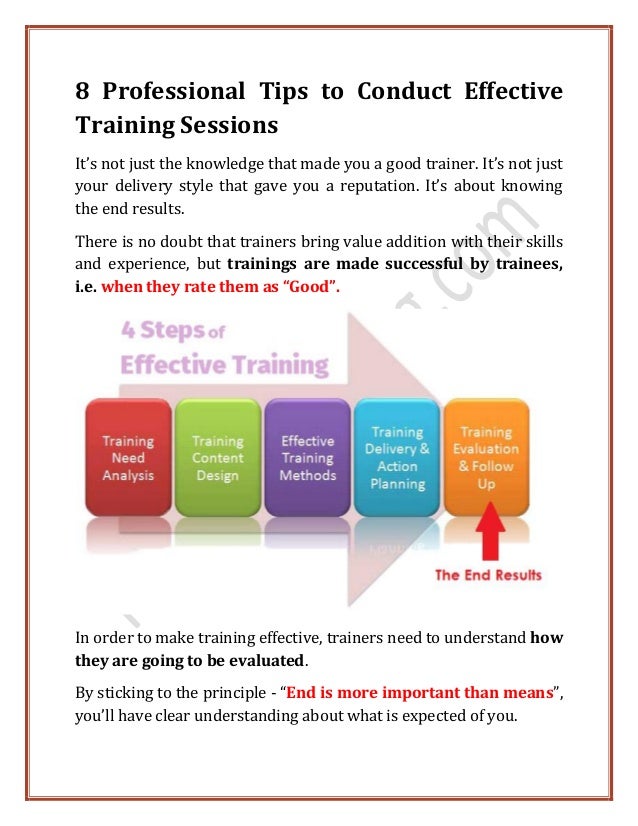
8 Professional Tips to Conduct Effective Training Sessions

Why Ethics Training is More Crucial than Ever? » WP Dev Shed
PPT Decision Support Technologies CIS 307 PowerPoint Presentation
PPT Introduction PowerPoint Presentation, free download ID2554809

Enhancing Ethics Training Programs with 5 Examples

By Claudia DealbaYount ppt download
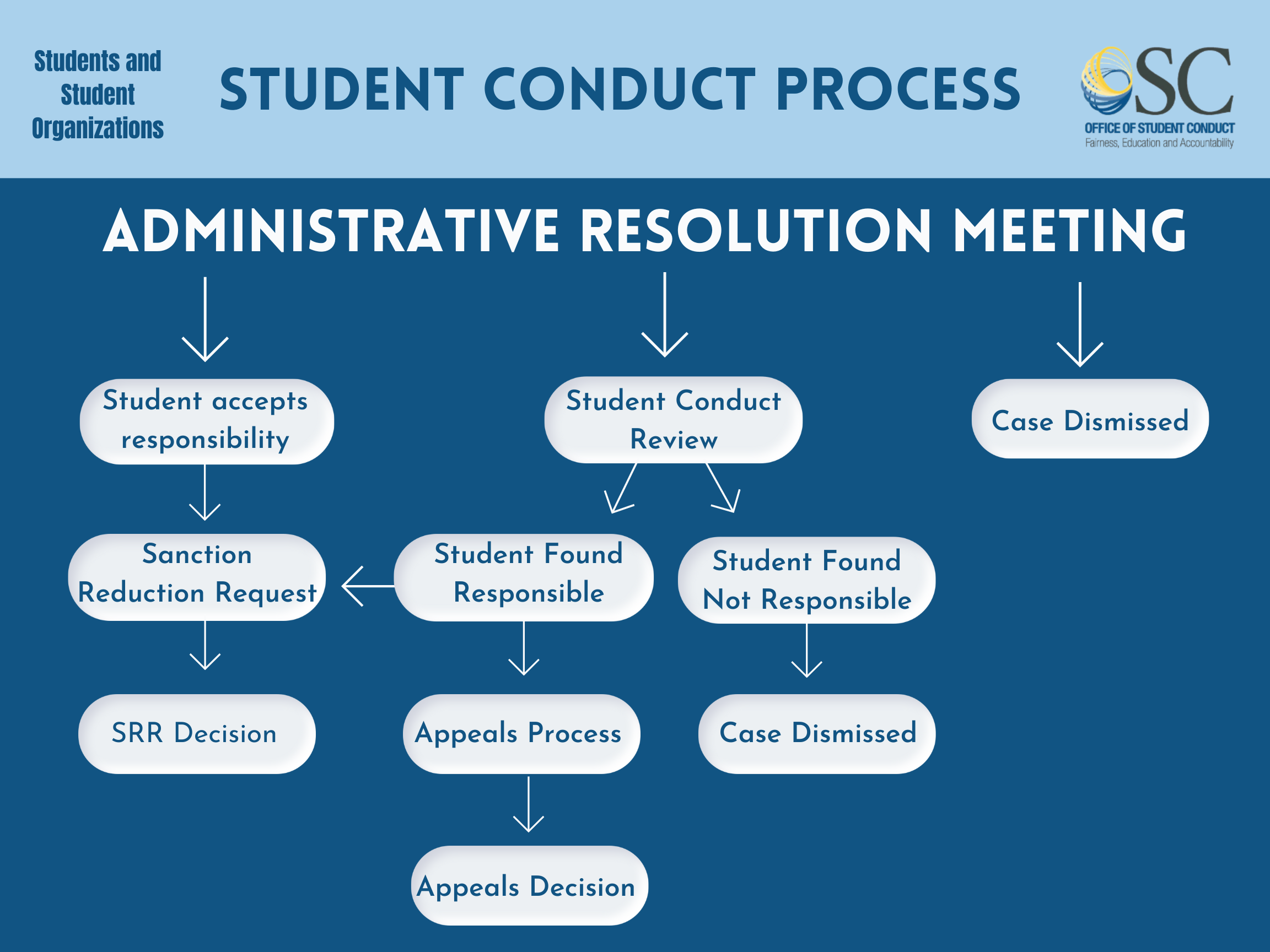
Student Conduct Process Flow Chart
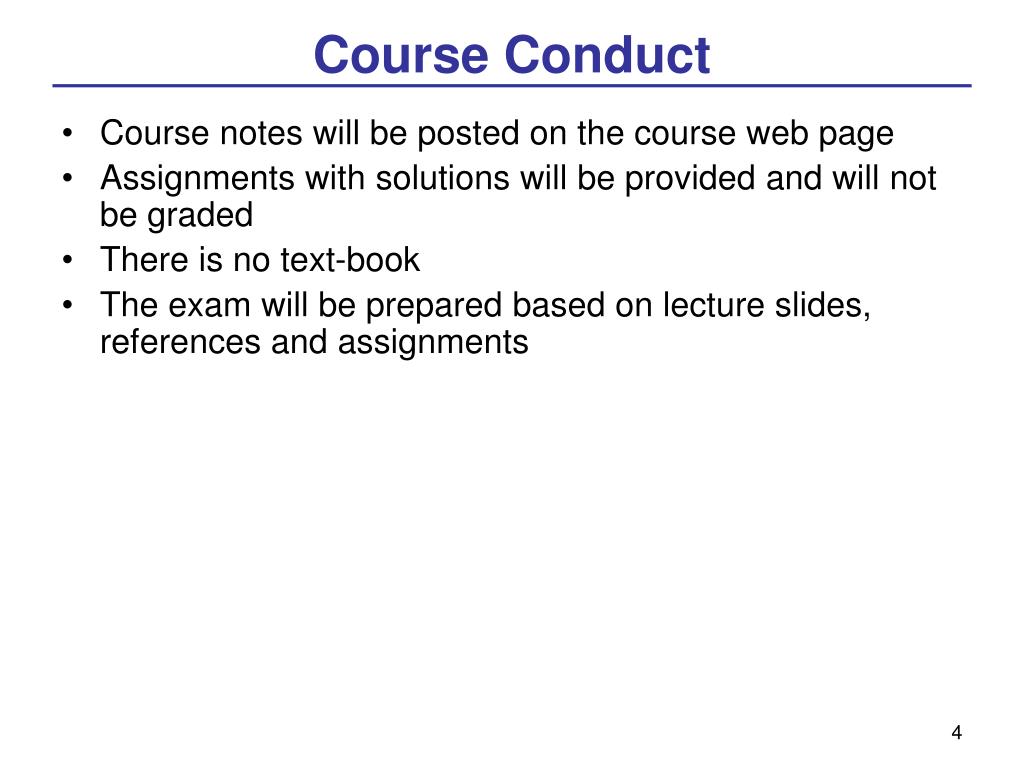
PPT Introduction PowerPoint Presentation, free download ID1359781
Boscher Code of Conduct
Transform You Career With Coursera's Online Ethics Courses.
Continuing Course Of Conduct Means A Series Of Acts, And The Accompanying Mental State Necessary For The Crime In Question, Irrespective Of Whether The Series Of Acts Are Continuous.
The University Strives To Provide A Safe And Secure Environment For Students, Staff, And Visitors.
Ori Introduction To The Responsible Conduct Of Research (Pdf) As Of January 1, 2024, New Human Research Protocols Cannot Be Submitted To The Institutional Review Board (Irb) For.
Related Post: