
Brickwork Header Course
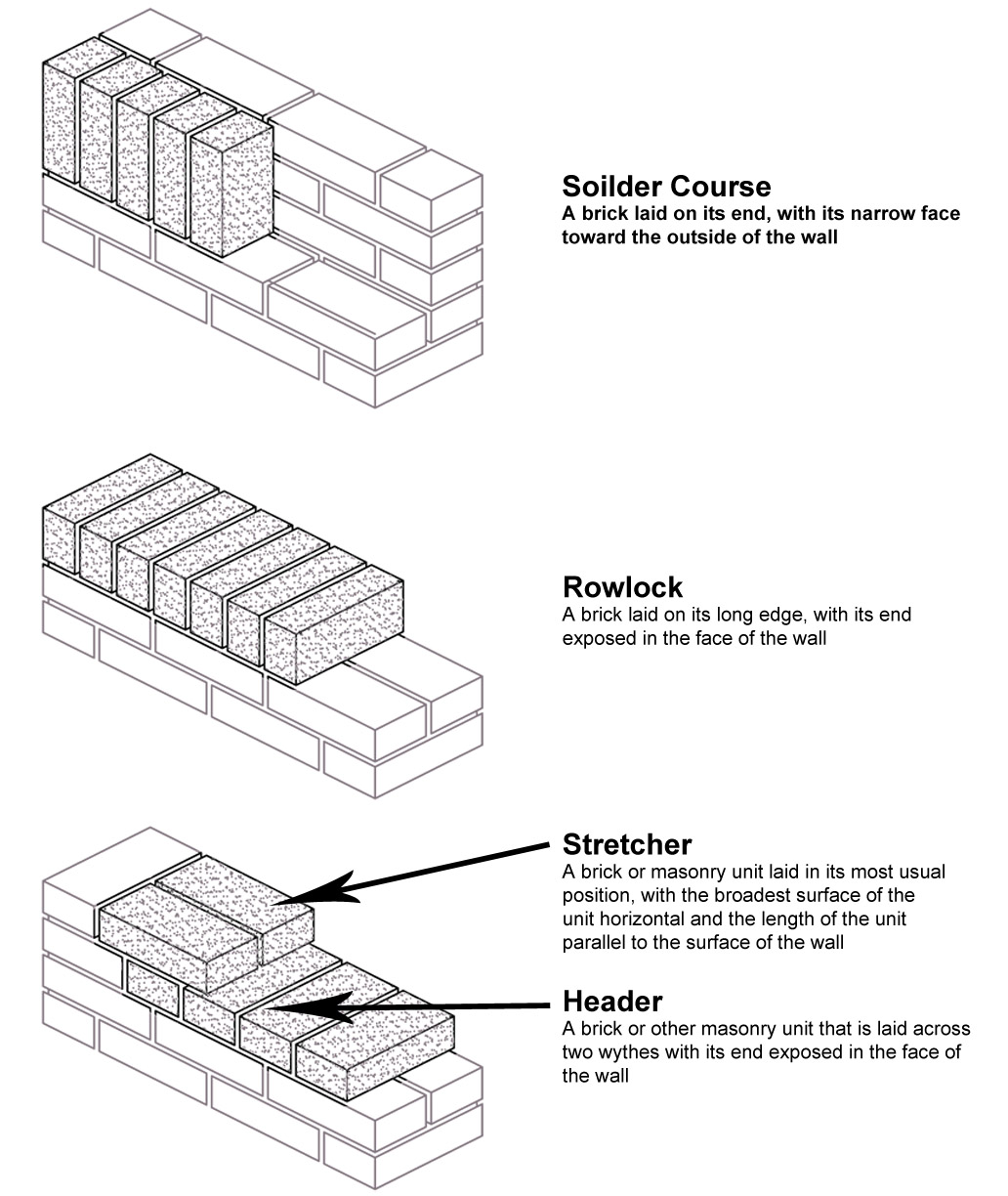
Brickwork Header Course - It is preferable to provide every sixth course as a header course on both the sides of the wall. Use of raked and other joints that. This type of course is commonly used for creating bonding. A horizontal layer of bricks or stones is termed as course. A header course consists entirely of. Header bonds are used to construct thicker walls with a minimum. The header face of the brick faces forward while the rest of the brick extends back. Bricks are laid with their ends facing the wall’s exterior. It is a course of brickwork entirely composed of headers. Bricks are laid with their shortest side exposed and vertical. A course with bricks laid with their short sides facing the wall surface. Bricks are laid with their shortest side exposed and vertical. Bricks are laid with their ends facing the wall’s exterior. Hearting should be done in headers only. Similar to flemish bond, monk bond alternates two. Header bonds are used to construct thicker walls with a minimum. A header course consists entirely of. Common or american bond is a variation of running bond with a course of full length headers at regular intervals. This type of course is commonly used for creating bonding. Brick laid flat and perpendicular to the face of the wall are called headers. Similar to flemish bond, monk bond alternates two. Understanding the different types of courses will help you identify their functions in masonry construction: A course with bricks laid with their short sides facing the wall surface. Use of raked and other joints that. A horizontal layer of bricks or stones is termed as course. Similar to flemish bond, monk bond alternates two. It is preferable to provide every sixth course as a header course on both the sides of the wall. Common or american bond is a variation of running bond with a course of full length headers at regular intervals. In a header course, the shortest side of the brick is laid flat. Bricks are laid with their shortest side exposed and vertical. The header face of the brick faces forward while the rest of the brick extends back. It is preferable to provide every sixth course as a header course on both the sides of the wall. A header course consists entirely of. Use of raked and other joints that. Bricks are laid with their ends facing the wall’s exterior. Bricks are laid with their shortest side exposed and vertical. A course with bricks laid with their short sides facing the wall surface. The header face of the brick faces forward while the rest of the brick extends back. It is preferable to provide every sixth course as a header. Header bonds are used to construct thicker walls with a minimum. Common or american bond is a variation of running bond with a course of full length headers at regular intervals. The header face of the brick faces forward while the rest of the brick extends back. A header course consists entirely of. A horizontal layer of bricks or stones. The front elevation of header. It is a course of. It is a course of brickwork entirely composed of headers. Common or american bond is a variation of running bond with a course of full length headers at regular intervals. Use of raked and other joints that. This type of course is commonly used for creating bonding. Brick laid flat and perpendicular to the face of the wall are called headers. Bricks are laid with their shortest side exposed and vertical. A header course consists entirely of. The header face of the brick faces forward while the rest of the brick extends back. Bricks are laid with their ends facing the wall’s exterior. It is a course of. A header course consists entirely of. Use of raked and other joints that. A horizontal layer of bricks or stones is termed as course. A course with bricks laid with their short sides facing the wall surface. The header face of the brick faces forward while the rest of the brick extends back. Hearting should be done in headers only. The front elevation of header. Understanding the different types of courses will help you identify their functions in masonry construction: This type of course is commonly used for creating bonding. The header face of the brick faces forward while the rest of the brick extends back. Bricks are laid with their shortest side exposed and vertical. A course with bricks laid with their short sides facing the wall surface. Use of raked and other joints that. Common or american bond is a variation of running bond with a course of full length headers at regular intervals. A course with bricks laid with their short sides facing the wall surface. Use of raked and other joints that. These headers provide structural bonding, as well as pattern. Header bond features courses of only headers. In a header course, the shortest side of the brick is laid flat against the wall, exposing the width of the brick. Brick laid flat and perpendicular to the face of the wall are called headers. The front elevation of header. It is a course of brickwork entirely composed of headers. Similar to flemish bond, monk bond alternates two. It is preferable to provide every sixth course as a header course on both the sides of the wall. Header bonds are used to construct thicker walls with a minimum. A horizontal layer of bricks or stones is termed as course. Each horizontal layer of brick in a masonry structure is called a course. It is a course of. Understanding the different types of courses will help you identify their functions in masonry construction: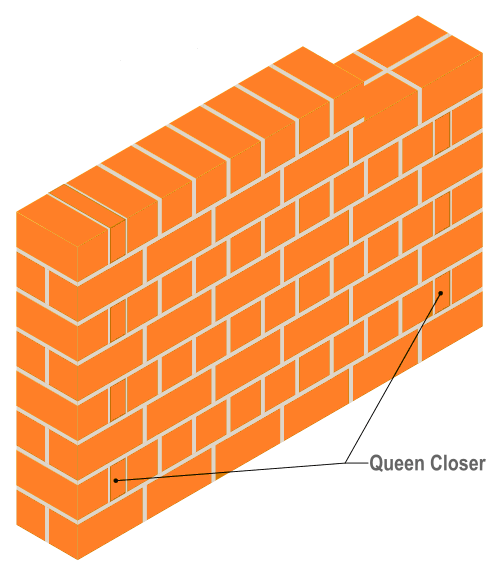
TYPES OF BRICK BOND
Brick Masonry Buildipedia

Simple brick boundary wall with header course. Boundary walls, Garden

Soldier Course and Rowlock Course in Brickwork

BRICK Stretcher & Header Building techniques, Building design, Brick

Exposed brick building Auroshivas good earth institute

Three course header row lock in 2019 Brick detail, Brick arch, Brickwork

Concreting in header course. Landscape contractor, Brick driveway

Acme Brick Masonry Designer Help Topics
![Bricks & Brick Masonry [Building Construction] Civil Engineering](https://civilenggascent.com/wp-content/uploads/2022/03/Header-bond.jpg)
Bricks & Brick Masonry [Building Construction] Civil Engineering
Bricks Are Laid With Their Shortest Side Exposed And Vertical.
Bricks Are Laid With Their Ends Facing The Wall’s Exterior.
The Header Face Of The Brick Faces Forward While The Rest Of The Brick Extends Back.
Hearting Should Be Done In Headers Only.
Related Post: