
Anatomy And Physiology 2 Summer Course
Anatomy And Physiology 2 Summer Course - Laboratory includes dissection of animal specimens. Biol& 241 with 2.0 or better. Learners will develop essential anatomical knowledge, understand the relationship between structure and function, and explore homeostasis. An introductory course examining the organization of a human body and the mechanisms for maintaining homeostasis. Integration and regulation of system function from an applied perspective through clinical applications. Human anatomy & physiology i: Cardiovascular, respiratory, immune, digestive, urinary and reproductive systems. Chemical, biochemical, cell, tissue, organ systems, muscular system, nervous system, and special senses. These courses are a continuation of anatomy and physiology i (bio 110) and explore the following systems: Up to 15 credits can be transferred from the anatomical sciences education certificate program with permission. Designed for students who will pursue a career in nursing and allied health fields. This course includes a study of circulatory, cardiovascular, lymphatic, immune, respiratory, digestive, urinary, reproductive systems, and genetics as applicable to the weekly. These courses are a continuation of anatomy and physiology i (bio 110) and explore the following systems: Systems covered include cardiovascular, lymphatic, respiratory, digestive, urinary, endocrine and reproductive systems. Endocrine, immune, cardiovascular, lymphatic, respiratory, digestive, urinary, and reproductive. We'll focus on the intricate workings of the respiratory and digestive systems, two vital components responsible for gas exchange and energy consumption. Our courses are designed to make learning accessible and enjoyable. This course covers the structure and function of the human body on the following levels of organization: Chemical, biochemical, cell, tissue, organ systems, muscular system, nervous system, and special senses. Semester start and end dates: Course prefix, number, and section number: Integration and regulation of system function from an applied perspective through clinical applications. There are required 12 credit hours of core courses in anatomy and cell biology and 6 credit hours of core courses in education for a total of 18 hours of core courses. This course covers the structure and function of the. Study of structure and function of the following systems: Anatomy and physiology ii and lab (biol 221/biol 221l) focuses on interrelationships between different organ systems and their homeostatic functions. Topics include metabolism, the cardiovascular, lymphatic, respiratory, digestive, urinary, and reproductive systems. Human anatomy & physiology i: Please note lab section 01la of this course is offered in a remote/online capacity. The course covers structure and function of the endocrine, cardiovascular, lymphatic, respiratory, digestive, urinary, and reproductive systems. Course prefix, number, and section number: Systems covered include cardiovascular, lymphatic, respiratory, digestive, urinary, endocrine and reproductive systems. An introductory course examining the organization of a human body and the mechanisms for maintaining homeostasis. There are required 12 credit hours of core courses. Modality (face to face/synchronous or asynchronous online/hybrid): This is the second of two courses in the comprehensive study of the fundamental anatomical and physiological principles of human health and wellness, with a focus on the cardiovascular, lymph/immune, respiratory, digestive, urinary, and reproductive systems. Human anatomy & physiology ii (bio 132) a continuation of bio 131 with study of the normal. Modality (face to face/synchronous or asynchronous online/hybrid): Biol& 241 with 2.0 or better. Semester start and end dates: In this specialization, you will study the structure (anatomy) and function (physiology) of the human body as it pertains to six major body systems: Designed for students who will pursue a career in nursing and allied health fields. These courses are a continuation of anatomy and physiology i (bio 110) and explore the following systems: This course includes a study of circulatory, cardiovascular, lymphatic, immune, respiratory, digestive, urinary, reproductive systems, and genetics as applicable to the weekly. There are required 12 credit hours of core courses in anatomy and cell biology and 6 credit hours of core courses. Cardiovascular, respiratory, immune, digestive, urinary and reproductive systems. An introductory course examining the organization of a human body and the mechanisms for maintaining homeostasis. Chemical, biochemical, cell, tissue, organ systems, muscular system, nervous system, and special senses. Integration and regulation of system function from an applied perspective through clinical applications. The course provides students with a comprehensive working knowledge of. Human anatomy & physiology ii (bio 132) a continuation of bio 131 with study of the normal structure and function of the human body, with pathological applications where relevant. Systems covered include cardiovascular, lymphatic, respiratory, digestive, urinary, endocrine and reproductive systems. Modality (face to face/synchronous or asynchronous online/hybrid): Study of structure and function of the following systems: This course covers. The course covers structure and function of the endocrine, cardiovascular, lymphatic, respiratory, digestive, urinary, and reproductive systems. This course includes a study of circulatory, cardiovascular, lymphatic, immune, respiratory, digestive, urinary, reproductive systems, and genetics as applicable to the weekly. Straighterline's online anatomy & physiology ii course builds on the basics to explore the different systems in the human body. Up. Designed for students who will pursue a career in nursing and allied health fields. Anatomy and physiology ii and lab (biol 221/biol 221l) focuses on interrelationships between different organ systems and their homeostatic functions. Topics include metabolism, the cardiovascular, lymphatic, respiratory, digestive, urinary, and reproductive systems. This is the second of two courses in the comprehensive study of the fundamental. We'll be focusing on the structure (anatomy) and function (physiology) of six remarkable body systems: Modality (face to face/synchronous or asynchronous online/hybrid): Recognize and explain the principle of homeostasis and the use of feedback loops to control physiological systems in the human body. These courses are a continuation of anatomy and physiology i (bio 110) and explore the following systems: Semester start and end dates: Learners will develop essential anatomical knowledge, understand the relationship between structure and function, and explore homeostasis. Human anatomy & physiology ii (bio 132) a continuation of bio 131 with study of the normal structure and function of the human body, with pathological applications where relevant. Anatomy and physiology ii and lab (biol 221/biol 221l) focuses on interrelationships between different organ systems and their homeostatic functions. Study of structure and function of the following systems: Chemical, biochemical, cell, tissue, organ systems, muscular system, nervous system, and special senses. In this specialization, you will study the structure (anatomy) and function (physiology) of the human body as it pertains to six major body systems: Use standard terminology to describe anatomical structures and physiological processes. Course prefix, number, and section number: Up to 15 credits can be transferred from the anatomical sciences education certificate program with permission. Integration and regulation of system function from an applied perspective through clinical applications. Please note lab section 01la of this course is offered in a remote/online capacity only.
Anatomy & Physiology 2 Balance Massage Therapy

Mastering the Anatomy and Physiology 2 Exam 2 A Comprehensive Guide
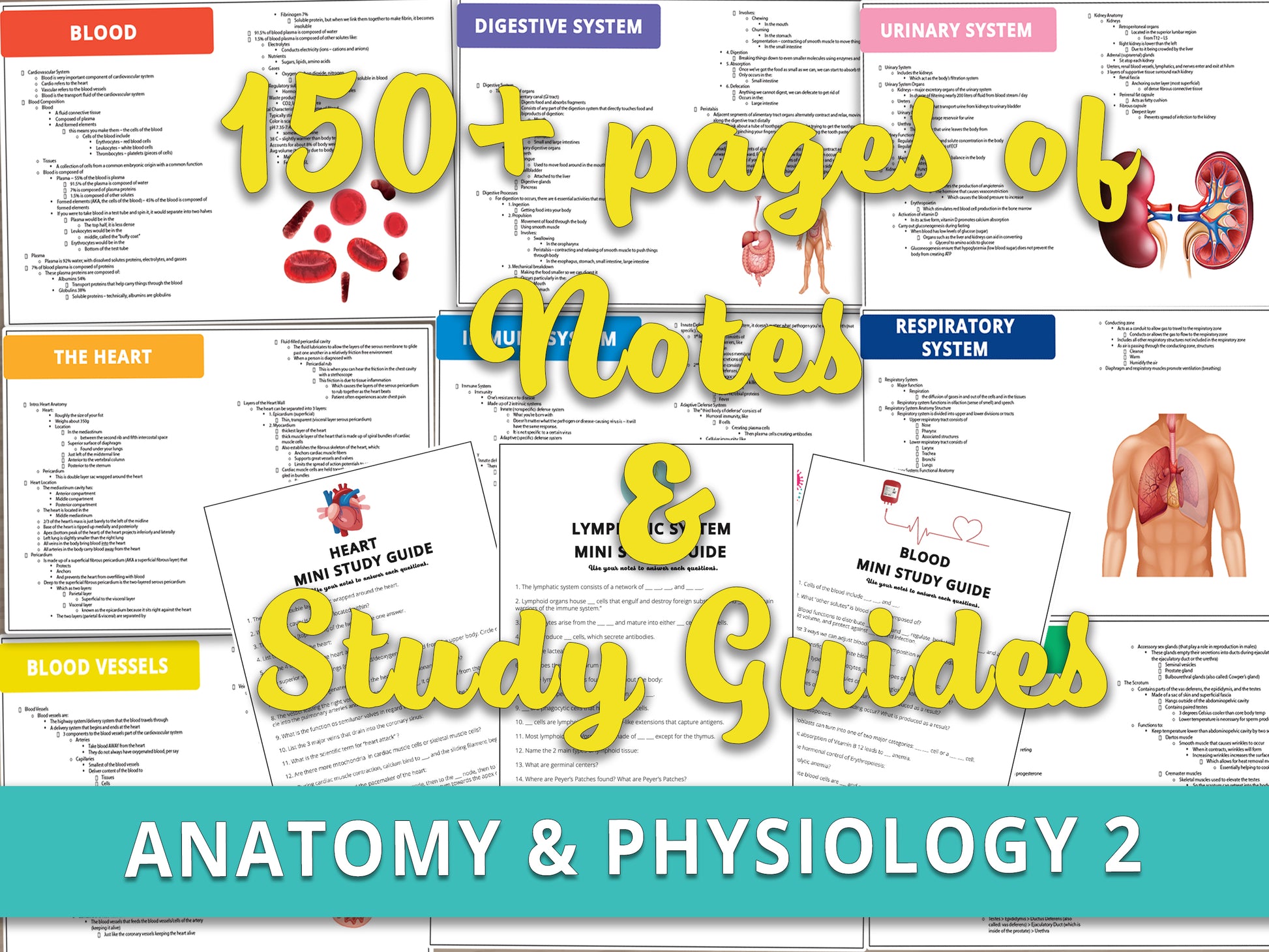
Anatomy and Physiology 2 Course Bundle Anatomy Notes Study Guide
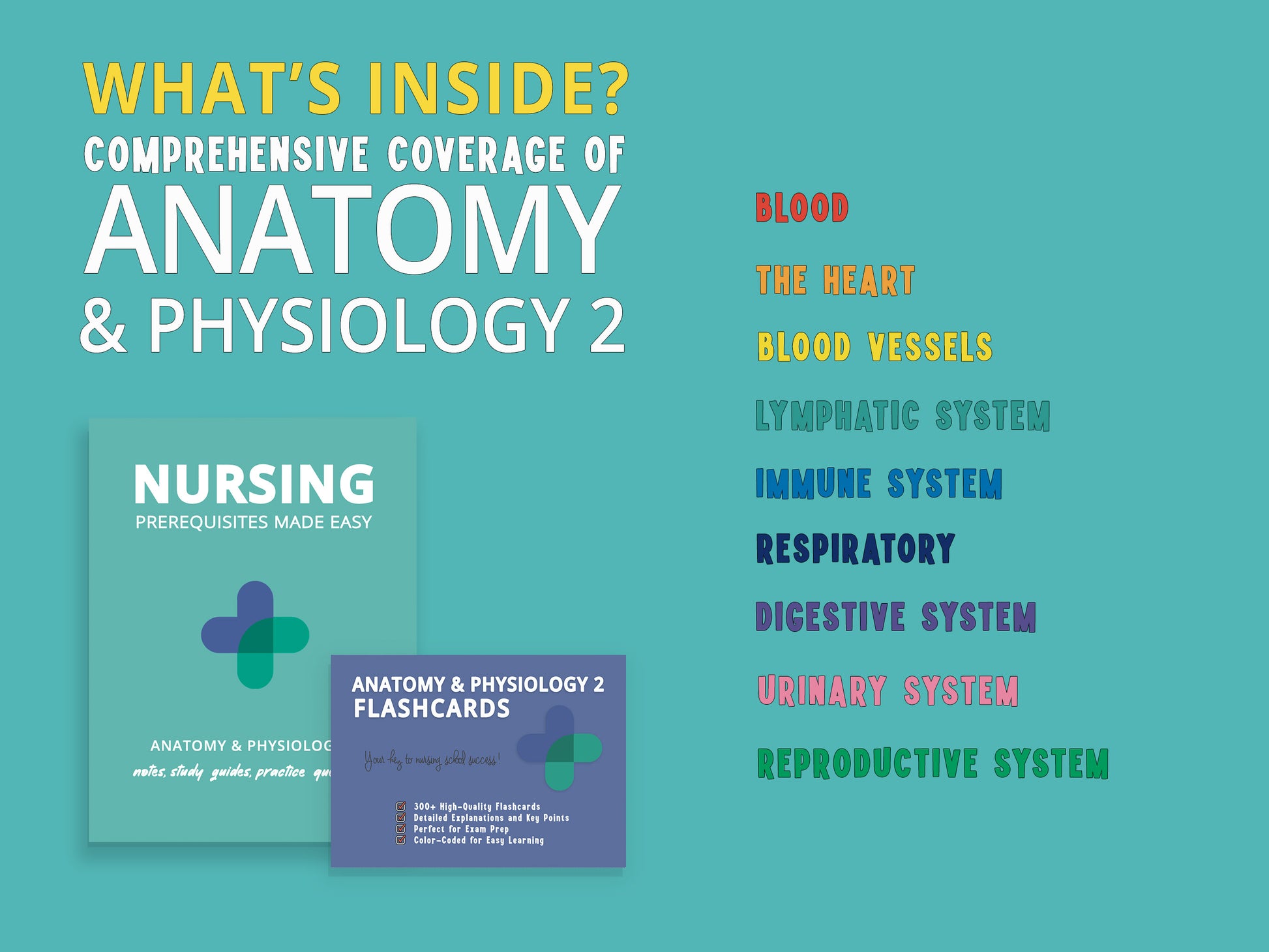
Anatomy and Physiology 2 Course Bundle Anatomy Notes Study Guide
Introduction to Anatomy & Physiology 2 Curriculum Set (Pack) Answers
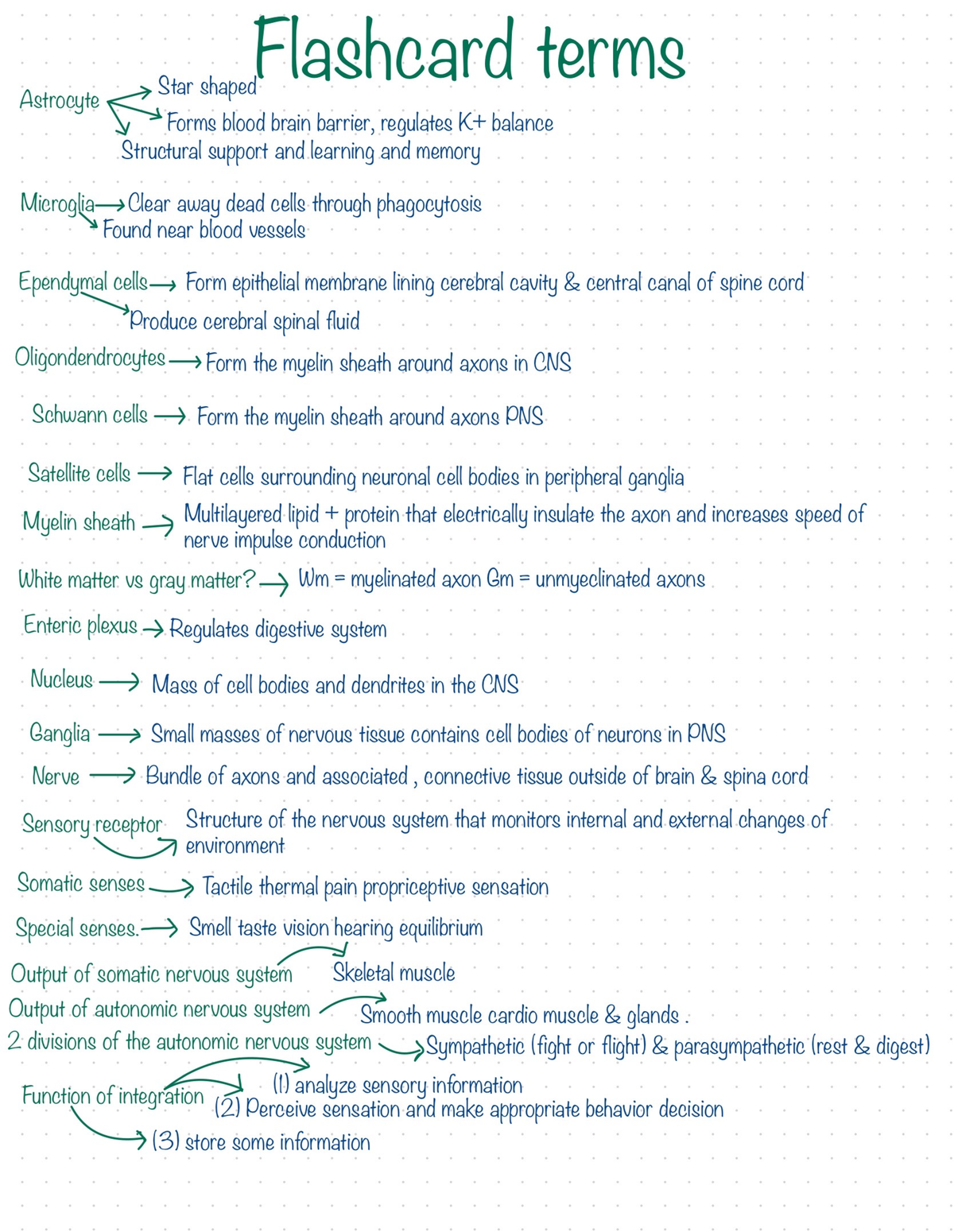
Anatomy and physiology 2 chapter 12 pg 4 BIOL203 Studocu

Introduction to Anatomy & Physiology 2 Teacher Guide Anatomy High
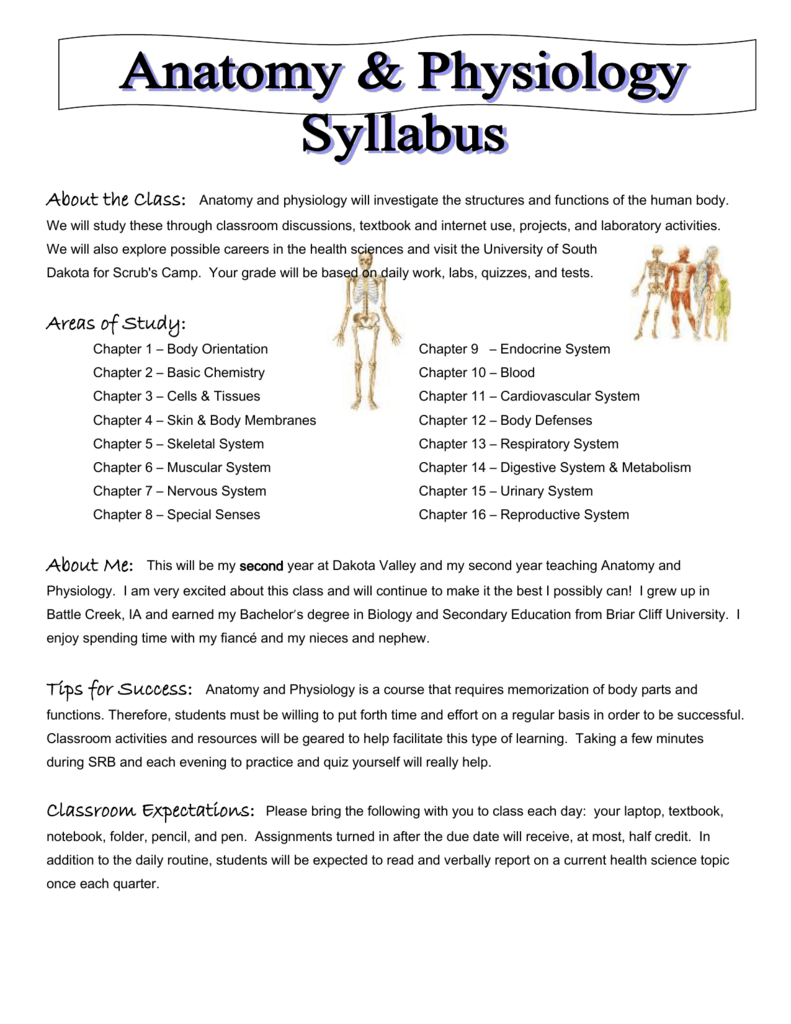
Human Anatomy & Physiology Syllabus
Anatomy and Physiology II Simple Book Publishing
.jpg)
Anatomy And Physiology 2 Lab Final Exam 12
This Is The Second Of Two Courses In The Comprehensive Study Of The Fundamental Anatomical And Physiological Principles Of Human Health And Wellness, With A Focus On The Cardiovascular, Lymph/Immune, Respiratory, Digestive, Urinary, And Reproductive Systems.
Endocrine, Digestive, Urinary, Respiratory And Cardiovascular Systems.
There Are Required 12 Credit Hours Of Core Courses In Anatomy And Cell Biology And 6 Credit Hours Of Core Courses In Education For A Total Of 18 Hours Of Core Courses.
The Course Covers Structure And Function Of The Endocrine, Cardiovascular, Lymphatic, Respiratory, Digestive, Urinary, And Reproductive Systems.
Related Post: